EN
EN


Superior Custom Stainless Steel Precision Casting For Marine Grade Hinge Latch Hardware And Deck Fitings Factory
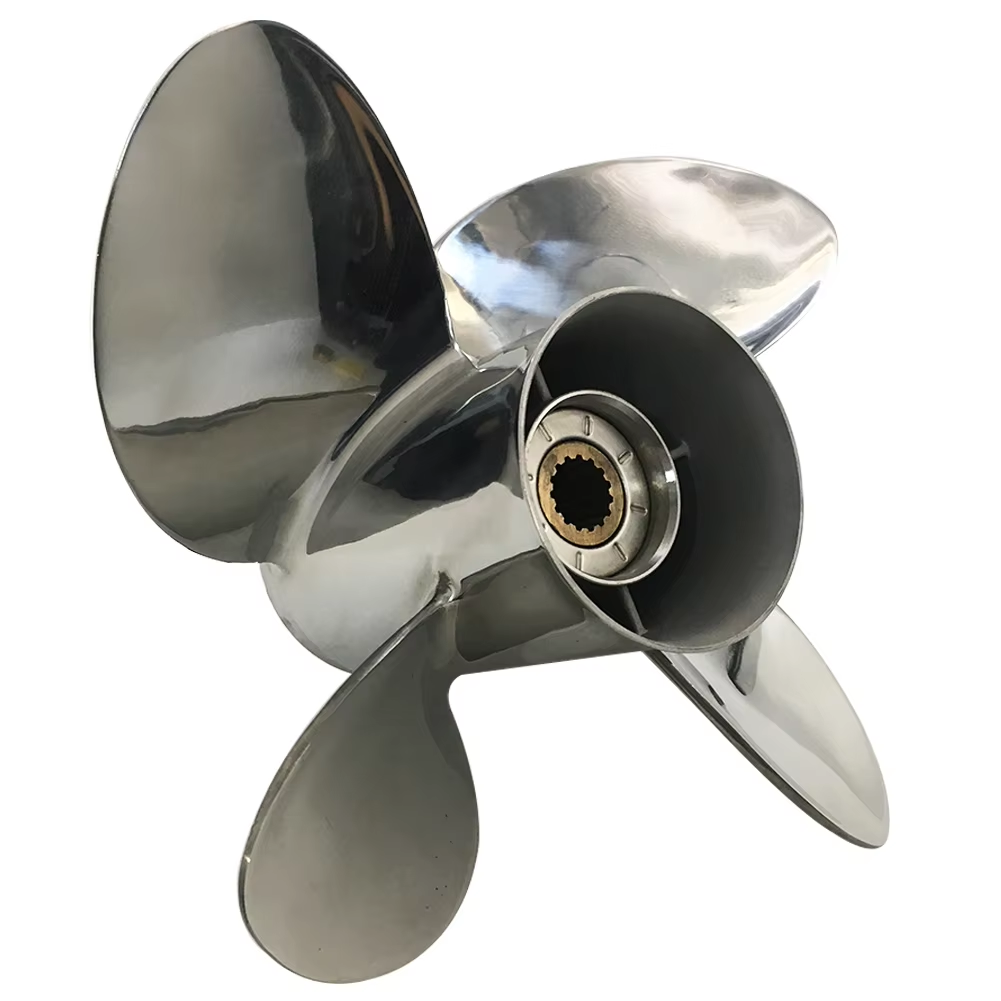
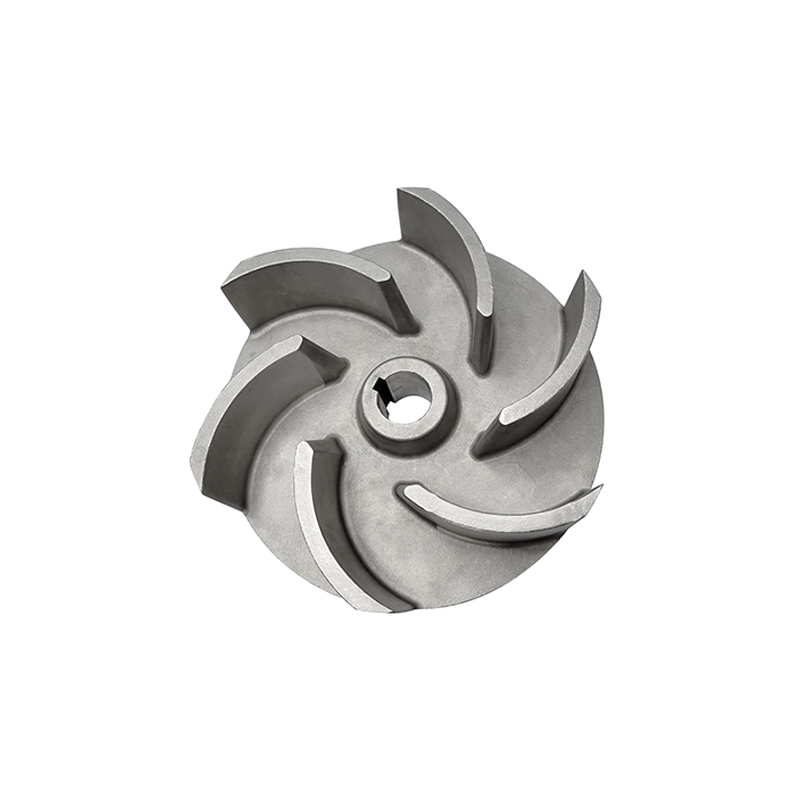
The process enables the creation of complex, hydrodynamically optimized blade geometries in a single piece, resulting in superior strength, corrosion resistance, and fuel efficiency for demanding maritime applications.
- Overview
- FAQ
- Recommended Products
Product Introduction
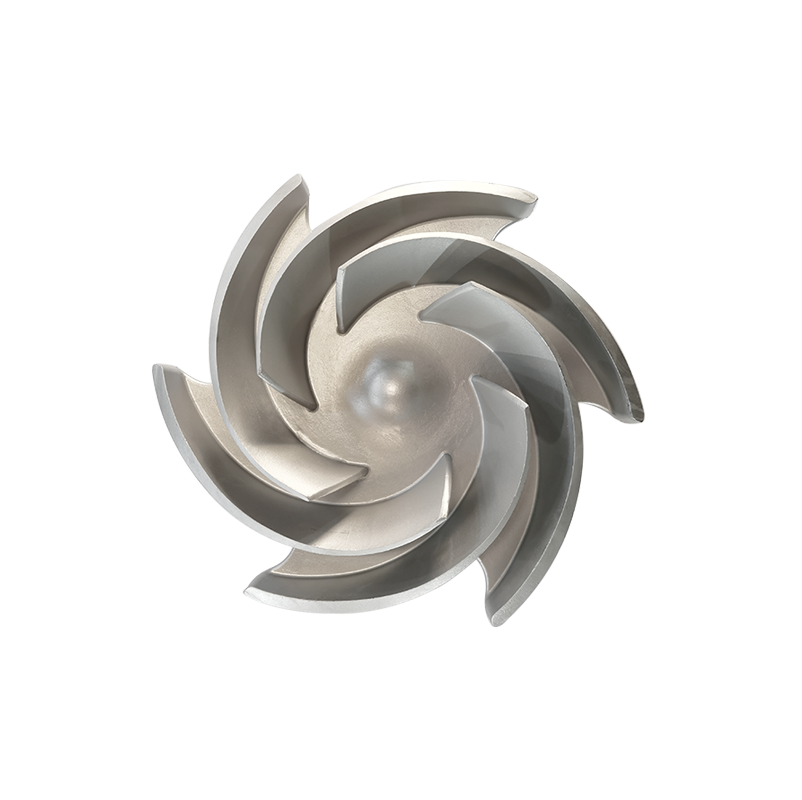
This manufacturing method is ideal for creating the sophisticated, contoured blade shapes with varying pitch and airfoil sections that are critical for maximizing thrust, minimizing cavitation, and improving overall vessel efficiency. Unlike fabricated propellers, the one-piece casting ensures perfect hydrodynamic symmetry, eliminates weak points from welding, and provides exceptional structural integrity to withstand impact loads from debris. The fine, homogeneous grain structure achieved through controlled solidification further enhances the propeller's fatigue resistance and durability against the corrosive effects of seawater.
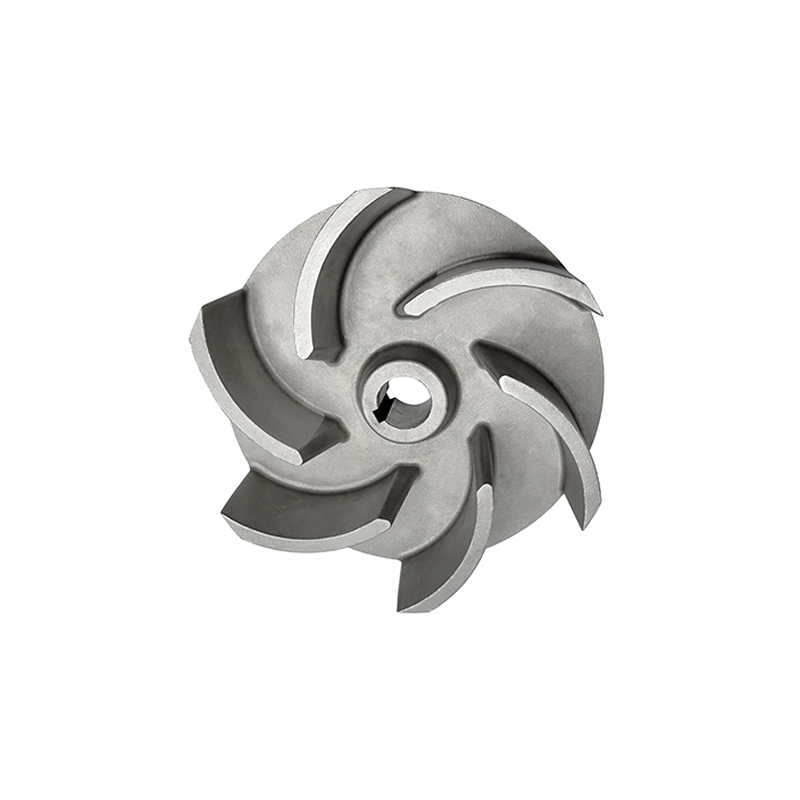
| Parameter | Specification | Notes |
| Manufacturing Process | Investment / Precision Casting | - |
| Standard Materials | Nickel Aluminum Bronze (C95800), Stainless Steel (CA-6NM) | Other copper-based or stainless alloys available. |
| Standard Casting Tolerance | ISO 8062 CT10-12 (General), CT8-10 (Critical contours) | Hub and mounting features are finish-machined. |
| Diameter Range | Up to 3 meters | Subject to design and alloy review. |
| Surface Finish (Blade) | As-cast, Ground, or Polished (specify Ra) | Polishing reduces drag and fouling. |
| Heat Treatment | Solution Annealing & Quenching (for bronze) | To achieve optimal mechanical properties. |
| Secondary Operations | CNC Machining (hub, bore), Dynamic Balancing, NDT, Painting (on request) | Full-service package available. |
| Compliance | Can be manufactured to meet relevant marine classification society standards (e.g., ABS, DNV, LR). | - |
Key Advantages:
Hydrodynamic Efficiency & Complex Geometry: Precision casting accurately replicates optimized blade designs developed via computational fluid dynamics (CFD). This allows for complex curvatures, precise pitch distribution, and advanced blade tip shapes that significantly reduce drag, vortex shedding, and cavitation, leading to higher speed and lower fuel consumption.
Exceptional Strength & Impact Resistance: The one-piece construction from high-grade marine alloys provides superior metallurgical integrity. This results in excellent tensile strength, yield strength, and toughness, offering outstanding resistance to bending, fatigue, and sudden impacts from floating objects.
Superior Corrosion & Erosion Resistance: Materials like Nickel-Aluminum Bronze and Duplex Stainless Steel are specifically chosen for their excellent resistance to seawater corrosion, biofouling, and cavitation erosion. The dense, non-porous casting structure further prevents pitting and crevice corrosion.
Material & Design Consistency: Every propeller is cast to identical specifications, ensuring predictable and balanced performance. This eliminates vibrations caused by mass or geometric imbalance, leading to smoother operation and reduced wear on the drivetrain.
Cost-Effectiveness for Medium Volumes: For propellers with complex geometries, precision casting is a highly cost-effective manufacturing solution compared to machining from a solid forging, especially for custom or medium-volume production runs, as it minimizes expensive material removal.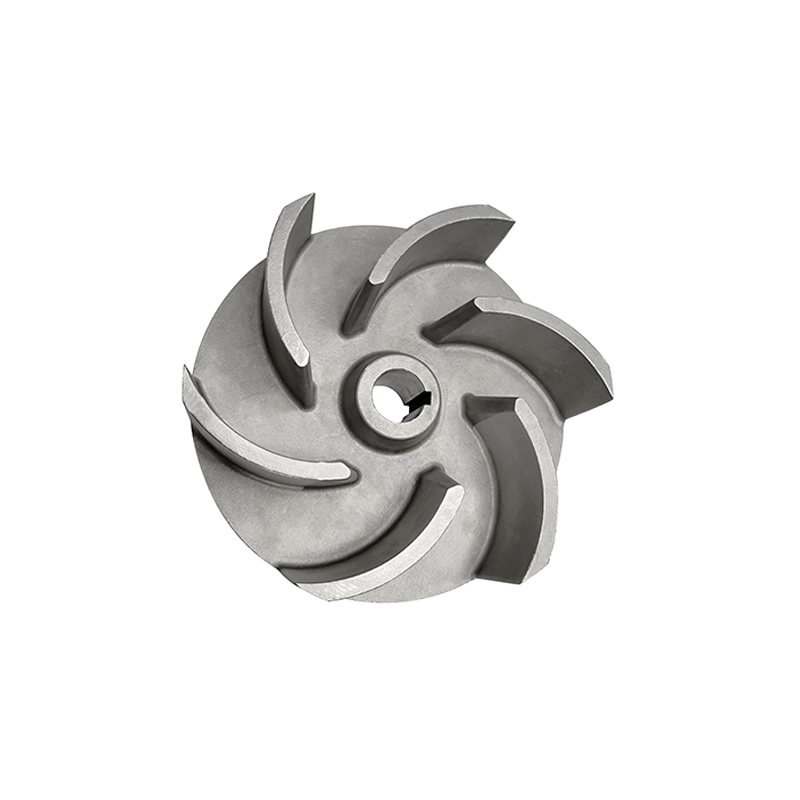
Q1: What specific marine-grade hardware and deck fittings can JBD Foundry custom manufacture?
JBD Foundry specializes in manufacturing a comprehensive range of premium, corrosion-resistant custom components for the commercial shipping, yacht, and leisure boating industries. Our production capabilities include heavy-duty marine hinges (butt hinges, strap hinges, continuous hinges), secure latch mechanisms, flush pull latches, cam latches, and hatch fastners. For deck configurations, we cast high-strength cleats, bollards, chocks, bow rollers, structural bimini top fittings, deck fills, handrail brackets, and customized thru-hull drainage fittings. We offer full OEM and ODM customization based entirely on your 3D CAD files or physical master samples.
Q2: Why is the silica sol investment casting process preferred for marine hardware over sand casting?
The marine environment is exceptionally harsh, making surface integrity and structural soundness critical. Our silica sol investment casting process delivers superior dimensional precision (ISO 8062 CT4-CT6) and an ultra-smooth raw surface finish. Unlike traditional sand casting, which leaves a rough, porous texture, silica sol casting eliminates micro-voids, parting lines, and sand inclusions. A non-porous, smooth surface is vital for marine hardware because it minimizes microscopic crevices where salt crust, stagnant seawater, and moisture can accumulate, thereby preventing localized pitting and crevice corrosion from destroying the part.
Q3: Which stainless steel material grades do you utilize for marine-grade applications?
To withstand relentless saltwater immersion and high-salinity marine air, we utilize top-tier, anti-corrosive alloys. Our standard material for marine deck hardware is AISI 316 and its low-carbon variant, AISI 316L. The addition of molybdenum in 316-grade stainless steel drastically improves resistance to chloride pitting compared to standard 304 steel. For ultra-premium yacht applications or high-load submerged structural components, we also cast duplex stainless steels (such as Duplex 2205). Duplex alloys offer double the mechanical tensile strength of austenitic steels alongside unparalleled resistance to stress corrosion cracking.
Q4: What surface finishes and polishing options do you offer for aesthetic and functional marine use?
Marine hardware demands both flawless aesthetics and rugged functionality. JBD Foundry provides full-service in-house surface engineering tailored to your specifications. Our options include professional shot blasting, chemical pickling, and acid passivation to remove free iron molecules from the cast surface. Crucially, we excel in multi-stage mechanical buffing up to a brilliant marine mirror finish, as well as advanced electropolishing. Electropolishing chemically smooths microscopic high points, maximizing the chromium oxide protective layer. This achieves a reflective, pristine look that repels salt staining and eases routine boat maintenance.
Q5: How does JBD Foundry ensure precise fitment for moving hinge and latch assemblies?
Hinges and latches feature interlocking, articulating assemblies that require tight, unyielding tolerances to prevent rattling or mechanical failure under heavy seas. While our investment casting process yields excellent near-net-shape accuracy, we utilize an advanced multi-axis CNC machining workshop to refine critical tolerances. We machine internal hinge pin holes, threaded countersinks, latch retention tracks, and mating surfaces to millimeter-level precision. Every batch is systematically verified using precise plug gauges, digital calipers, and coordinate measuring machines (CMM) to guarantee effortless, drop-in assembly during boat production.
Q6: What quality control standards and corrosion testing protocols does your factory enforce?
Operating under a strict ISO 9001 certified quality management framework, we guarantee zero-defect marine components. We verify the chemical metallurgy of every melt using optical emission spectrometers. To ensure long-term survivability in oceanic conditions, we subject our cast products to rigorous testing protocols. This includes structural non-destructive testing (liquid penetrant and X-ray) to identify internal structural defects, mechanical load/tensile testing, and specialized ASTM B117 salt spray testing. We provide full material test certificates (MTR) with every delivery to verify absolute seaworthiness.