EN
EN



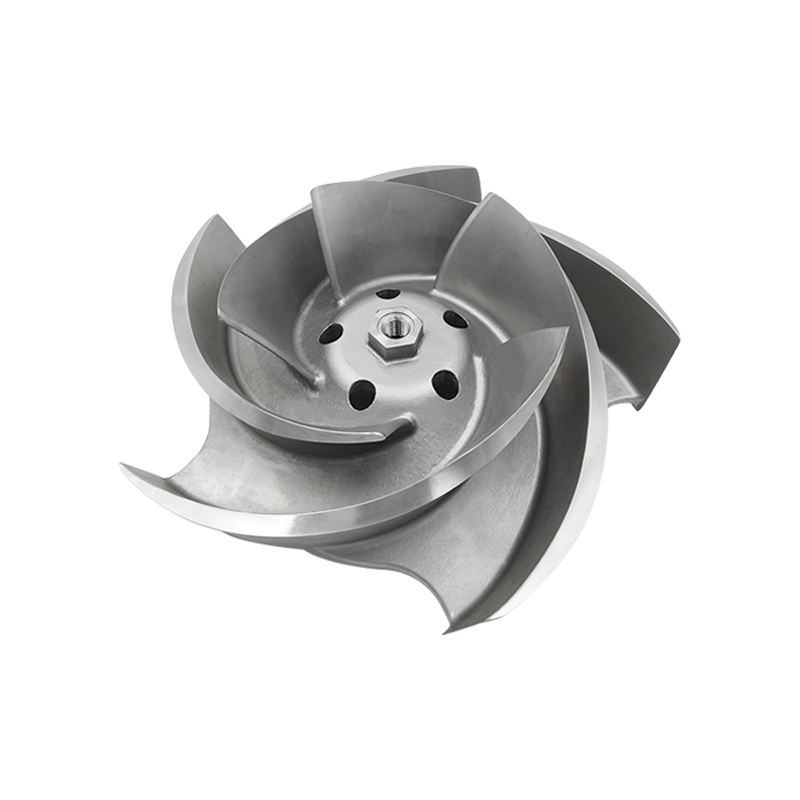
Custom Investment Casting Stainless Steel Mixing Impeller for Food Industry
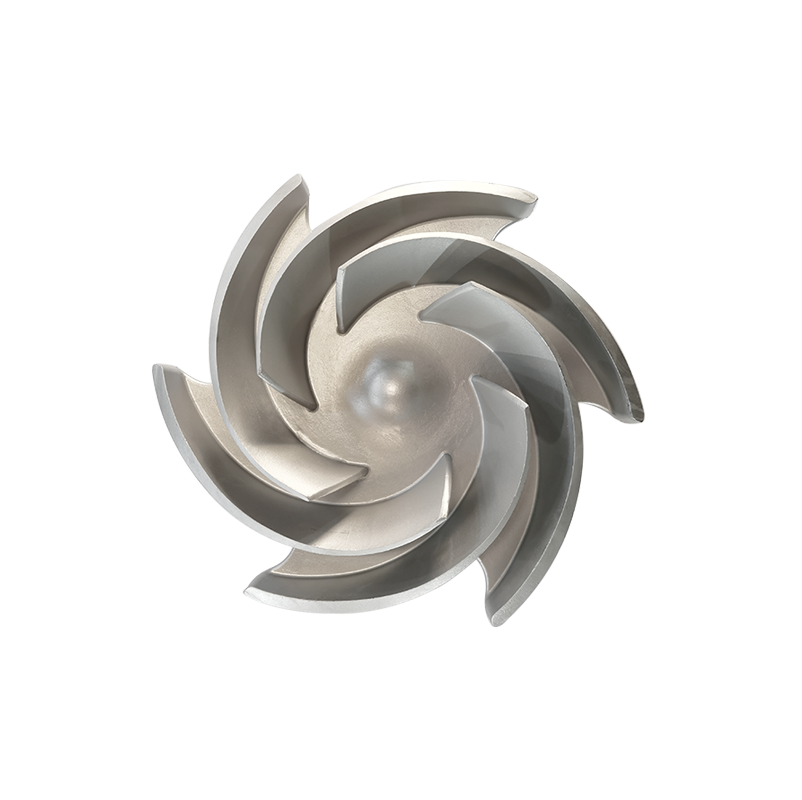
Manufactured using investment casting from 316L stainless steel, this food-grade mixing impeller offers exceptional corrosion resistance and cleanability. Its precision-cast complex blades ensure optimal fluid dynamics, uniform mixing, and high efficiency while meeting stringent sanitary standards for food and pharmaceutical applications.
- Overview
- FAQ
- Recommended Products
Product Introduction
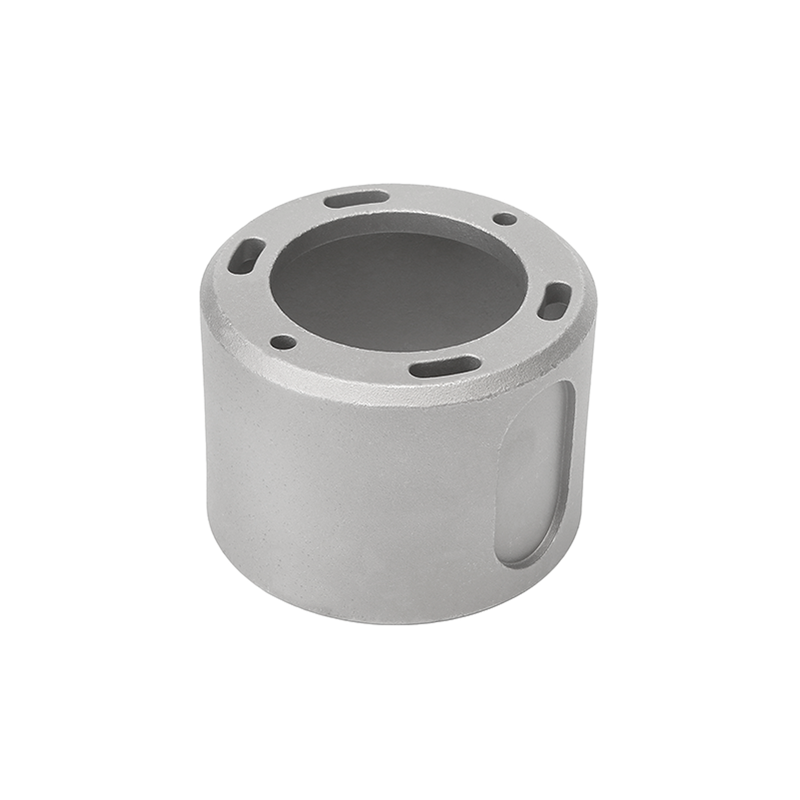
Our Precision Cast Stainless Steel Mixing Impeller is engineered for the rigorous demands of the food, beverage, and pharmaceutical processing industries. Utilizing the advanced investment casting process, this component achieves intricate, aerodynamic blade profiles that are critical for efficient laminar or turbulent mixing, emulsification, and solid suspension. Unlike fabricated or welded alternatives, it is a single-piece casting, eliminating seams, crevices, and joints where bacteria could harbor, thus fulfilling strict hygienic design principles (e.g., EHEDG, 3-A Sanitary Standards). Crafted from AISI 316L stainless steel, it provides superior resistance to corrosion from cleaning agents, acids, and salts, ensuring product purity and long service life.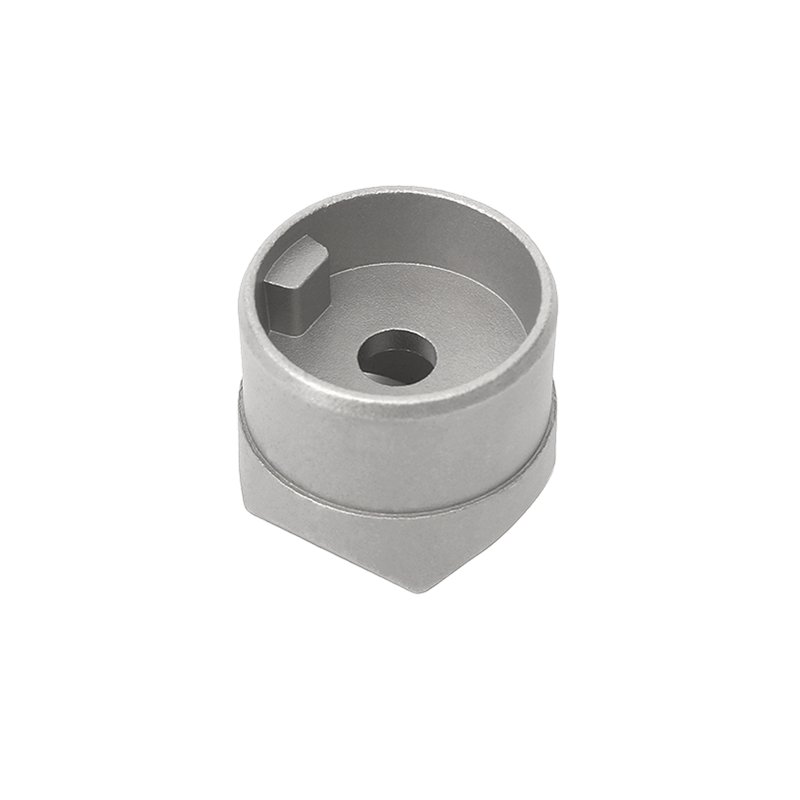
| Parameter | Specification | Notes |
| Manufacturing Process | Investment / Precision Casting | - |
| Standard Material | AISI 316L Stainless Steel | 304, Duplex stainless steel available. |
| Standard Casting Tolerance | ISO 8062 CT7-9 | Critical interfaces are machined to tighter tolerances. |
| Diameter Range | 150mm - 800mm | Subject to design review. |
| Standard Surface Finish | As-Cast: Ra ≤ 3.2 μm | Can be polished to Ra ≤ 0.4 μm. |
| Sanitary Compliance | Designed per EHEDG/3-A principles | Full certification support available. |
| Secondary Services | Precision Machining, Polishing, Passivation, Dynamic Balancing | Provided as a complete package. |
Key Advantages:
Hygienic, One-Piece Design: Precision casting creates a seamless, monolithic component with radii compliant with sanitary standards. The absence of joints or welds prevents bacterial entrapment, simplifies cleaning, and reduces contamination risk.
Complex, Optimized Geometry: The process accurately replicates advanced hydrodynamic blade designs (e.g., high-shear, axial flow) that maximize mixing efficiency, reduce energy consumption, and minimize product damage or air incorporation, which are difficult or costly to machine.
Superior Material & Surface Quality: Made from food-grade 316L stainless steel, it offers excellent corrosion resistance. The as-cast surface is exceptionally smooth, and it can be polished to a mirror finish (e.g., Ra < 0.8 μm) for easy cleanability and optimal product release.
High Strength & Durability: The homogeneous microstructure provides excellent mechanical strength and resistance to fatigue from continuous operation and Clean-in-Place (CIP) cycles, ensuring reliability.
Cost-Effective for Complex Parts: For intricate impeller designs, precision casting is often more economical than machining from solid billet or assembling multiple parts, especially for medium-volume production runs.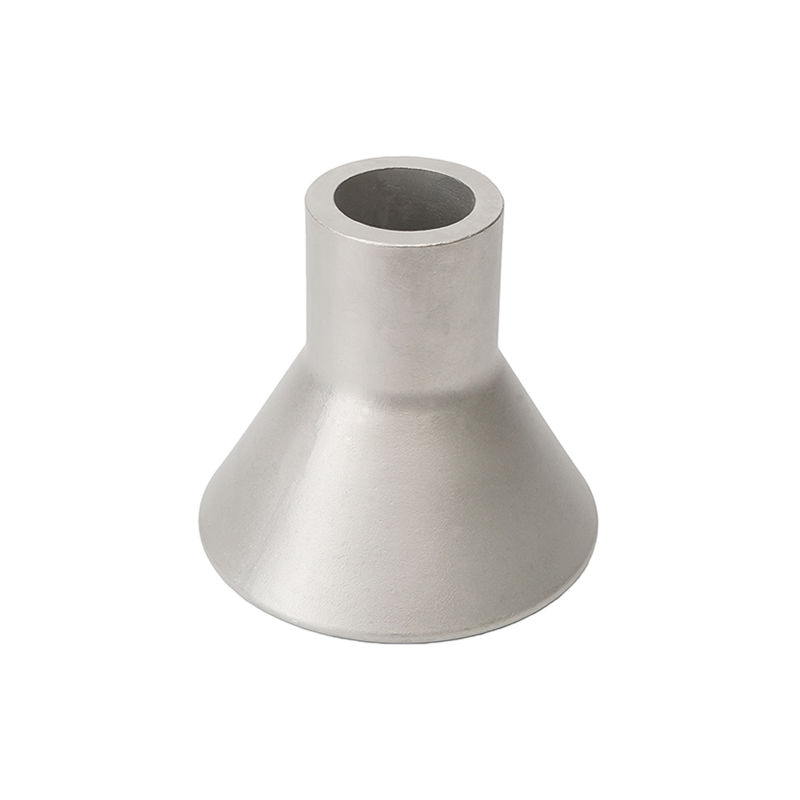
Product Parameters (Example):
Primary Process: Investment Casting / Precision Casting.
Material: AISI 316L (1.4404) Stainless Steel (Standard), 304 (1.4301) available.
Surface Finish: As-cast, Mechanically Polished, or Electropolished to specified Ra value (e.g., Ra < 0.4 μm for contact surfaces).
Dimensional Standard: Casting tolerances per ISO 8062; critical balance and mounting features are finish-machined to exact drawing specifications.
Design Compliance: Can be designed to meet EHEDG, 3-A Sanitary Standards, and FDA criteria for food contact.
Secondary Operations: CNC machining of hub/bore, dynamic balancing, passivation, polishing, and non-destructive testing.
Q1: What types of mixing impellers can JBD Foundry custom manufacture for the food industry?
We manufacture a diverse range of custom mixing impellers tailored to food processing applications. Our production capabilities include marine propellers, hydrofoil impellers, axial and radial flow impellers, anchor impellers, paddle impellers, and high-shear dispersing emulsifier blades. These impellers are widely integrated into food blending, liquid agitation, beverage carbonation, dairy processing, sauces homogenization, and confectionery manufacturing. We can customize the diameter, blade pitch, and hub configuration to align precisely with your tank design and mixing dynamics.
Q2: Why is silica sol investment casting preferred for food-grade mixing impellers?
The silica sol investment casting process is essential for food-grade equipment because it ensures an exceptionally smooth and uniform surface finish. This method eliminates the rough textures and micro-pores common in traditional sand casting, which could otherwise entrap food residues and foster harmful bacterial growth. Additionally, investment casting allows for the creation of complex, streamlined blade geometries that optimize hydraulic flow and mixing efficiency while avoiding dead zones or sharp internal corners where food contamination might accumulate.
Q3: Which stainless steel grades do you recommend for food-processing applications?
We primarily utilize premium, corrosion-resistant stainless steels that comply fully with food safety standards. AISI 304 is our standard option, delivering reliable performance and corrosion resistance for general food and beverage mixing. For environments handling highly acidic products (such as citrus juices or tomato sauces), salty mixtures, or aggressive Clean-In-Place (CIP) chemicals, we strongly recommend AISI 316L. The lower carbon content and addition of molybdenum in 316L significantly eliminate the risk of pitting corrosion, ensuring absolute product purity.
Q4: What surface finishes and polishing options do you offer to meet food hygiene standards?
Achieving strict sanitary compliance relies heavily on post-casting surface treatments. JBD Foundry offers professional sandblasting, pickling, passivation, and multi-stage mechanical polishing up to mirror-finish standards. We also provide advanced electropolishing, which microscopically smooths the metal surface, removes free iron, and enhances native corrosion resistance. Our processing can meet surface roughness levels below Ra 0.4 μm, preventing bio-film adhesion and satisfying stringent food sanitation and hygiene regulations worldwide.
Q5: How does JBD Foundry ensure dynamic balance and quality control for mixing impellers?
High-speed mixing impellers must be perfectly balanced to prevent shaft vibration, sealing failures, and equipment wear. Our ISO 9001 certified facility implements strict quality controls, including dynamic and static balancing tests for all rotating parts. Material compliance is verified via optical emission spectrometers, and internal structural soundness is validated through liquid penetrant testing and radiographic (X-ray) inspections. Comprehensive coordinate measuring machine (CMM) dimensional checks guarantee that each impeller blade matches your exact aerodynamic design.