Investment Casting Solutions | Dongguan Jinbianda Hardware

Get a Free Quote

Our representative will contact you soon.
Email
Mobile/WhatsApp
Name
Company Name
Message
0/1000
Professional Investment Casting Services
Investment casting, also known as precision casting or lost-wax casting, is a sophisticated manufacturing process used to produce metal components with complex geometries, excellent surface finish, and high dimensional accuracy.

Professional Investment Casting Services

Ability to produce net-shape or near-net-shape parts with intricate details, thin walls, and smooth surfaces, often eliminating the need for extensive secondary machining.
Dongguan Jinbianda Hardware Products Co., Ltd.

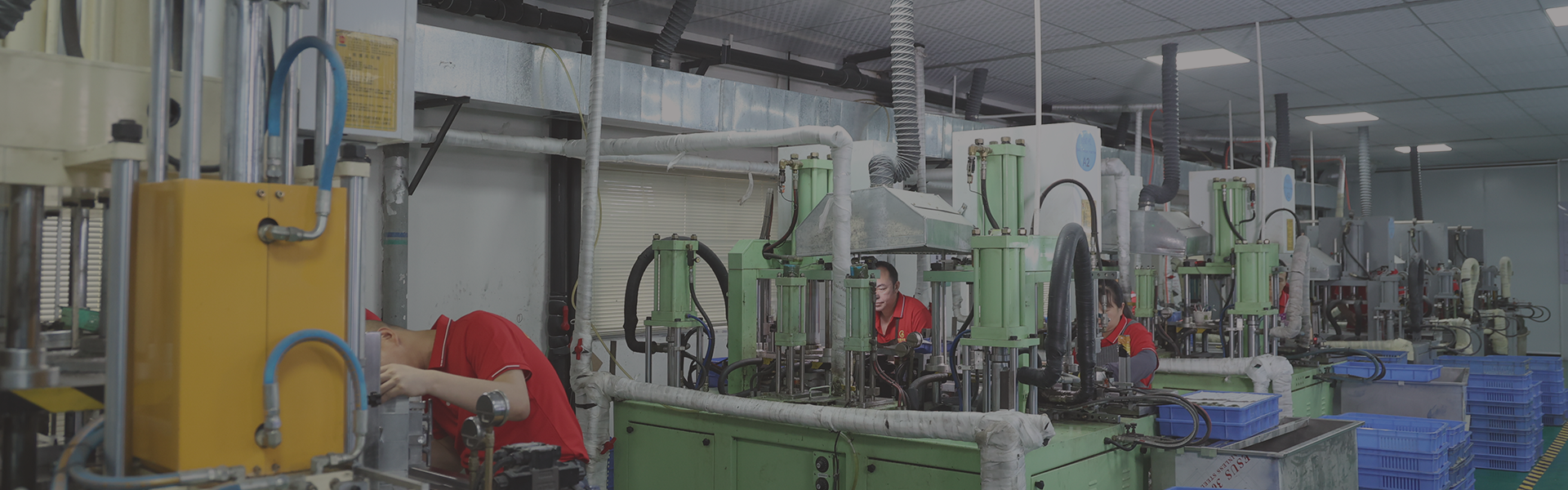
Precision investment casting (lost wax casting) is our core manufacturing process. We specialize in producing complex, near-net-shape metal components with exceptional dimensional accuracy and surface finish. Our advanced foundry integrates traditional craftsmanship with modern automation to deliver consistent, high-quality castings for demanding applications across multiple industries.

Manufacturing Process Flow
Mold Engineering & Design — 3D CAD modeling with DFM analysis, precision mold development
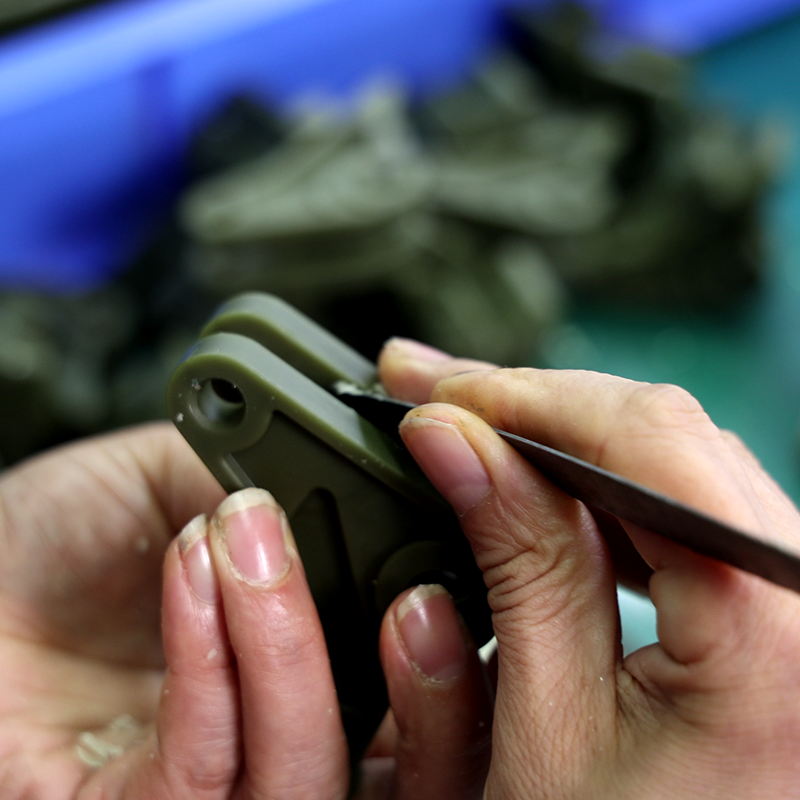
Wax Pattern Injection — High-pressure wax injection to create accurate wax replicas
Shell Building — Repeated ceramic slurry dipping and stuccoing (6-9 layers) for robust shell
Dewaxing — Steam autoclave at 120°C to melt and recover wax patterns
Shell Sintering — Firing at 1100°C to achieve maximum shell strength
Metal Pouring — Precise alloy melting and gravity/vacuum pouring into preheated shells
Shell Removal & Cleaning — Mechanical knockout, shot blasting, and precision grinding
Inspection & Finishing — CMM, spectrometer, NDT testing, and final surface treatment

Key Advantages
Complex geometries — Undercuts, thin walls (min. 1.5mm), internal channels, and hollow structures
Tight tolerances — CT4-CT6 precision grade, linear tolerance ±0.1mm/25mm
Superior surface finish — Ra 3.2-6.3 μm as-cast, reducing post-machining requirements
Material versatility — 200+ alloy grades including stainless steel, carbon steel, alloy steel, and superalloys
Weight range — From 0.01 kg to 80 kg per piece
Near-net shape — Reduces material waste by 40-60% compared to traditional machining
Batch flexibility — From prototype (MOQ 1 pc) to mass production (100,000+ pcs/month)