EN
EN



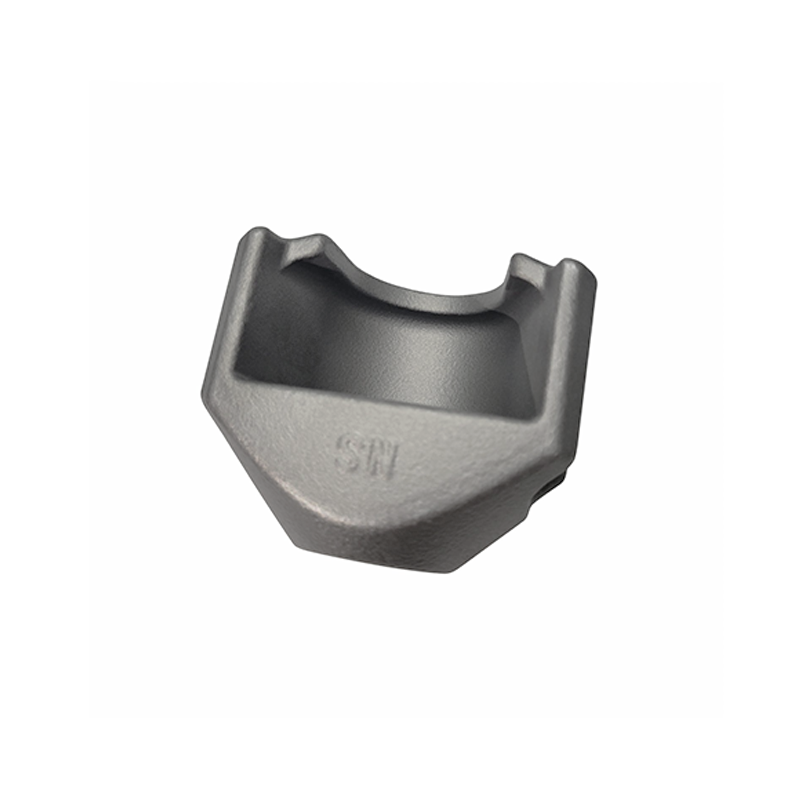
Durable Custom Stainless Steel Lost Wax Casting Automotive Engine Parts And Turbocharger Housings
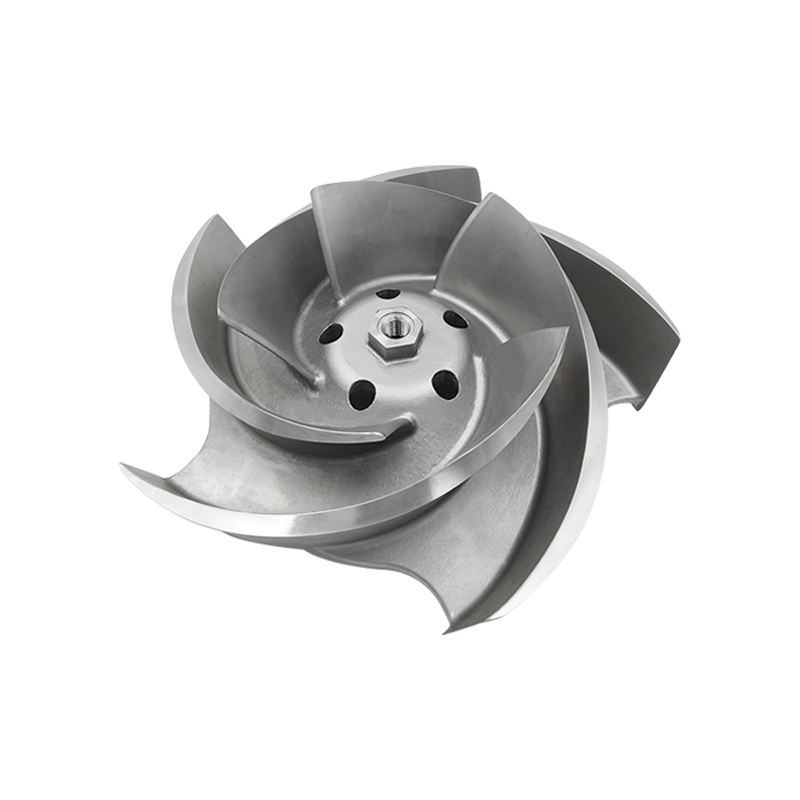
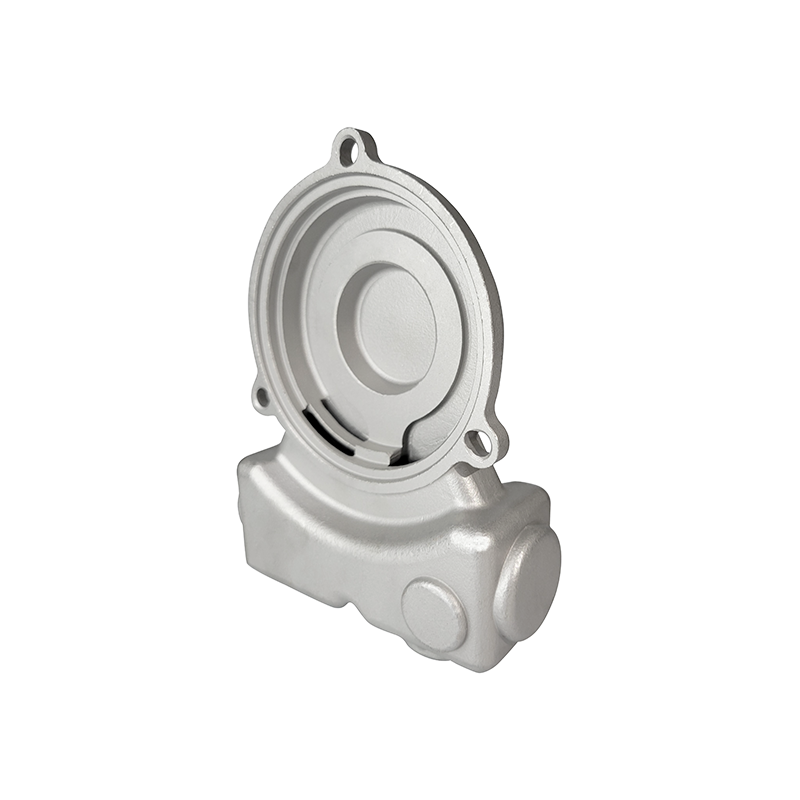
This precision-cast turbocharger housing is engineered for high-performance automotive applications. Manufactured using advanced investment casting, it achieves intricate internal geometries and thin walls that optimize exhaust flow and reduce turbo lag. Made from heat-resistant alloys, it offers exceptional strength and durability under extreme temperatures and pressures. The process ensures superior dimensional accuracy for perfect fitment and a high-quality surface finish, minimizing the need for secondary machining. This results in a reliable, efficient, and lightweight component that is essential for enhancing engine power and responsiveness in demanding driving conditions.
- Overview
- FAQ
- Recommended Products
Product Introduction
Our Precision Cast Turbocharger Housing represents the pinnacle of manufacturing for forced induction systems. Utilizing the sophisticated investment casting process, this component is engineered to withstand the extreme temperatures and pressures within modern high-performance and diesel engines. The process allows for the creation of intricate internal passages and thin-walled sections that are impossible to achieve with traditional manufacturing methods, resulting in a significant reduction in turbo lag and improved overall engine response.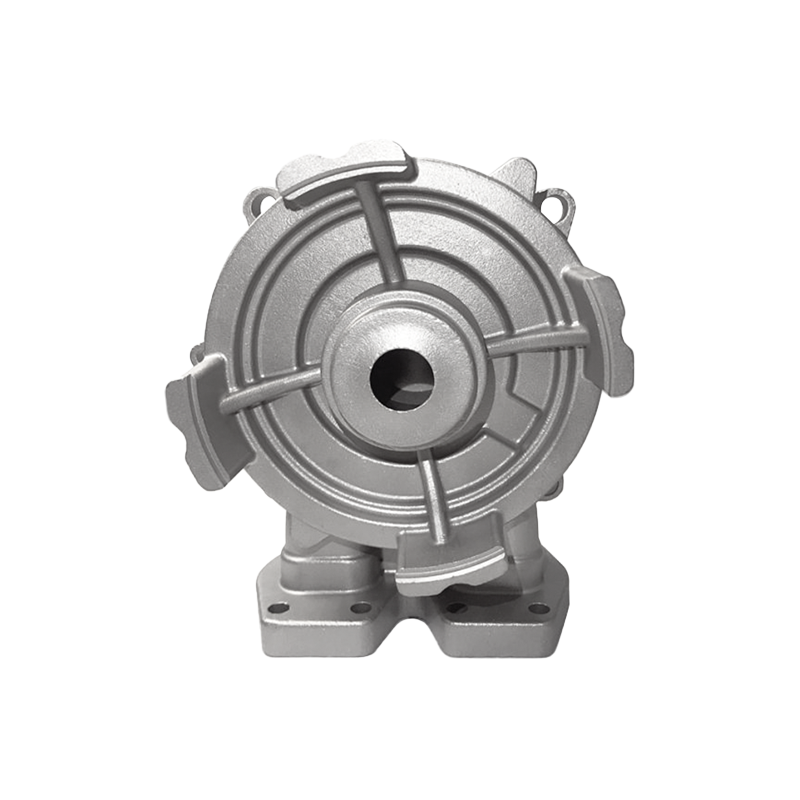
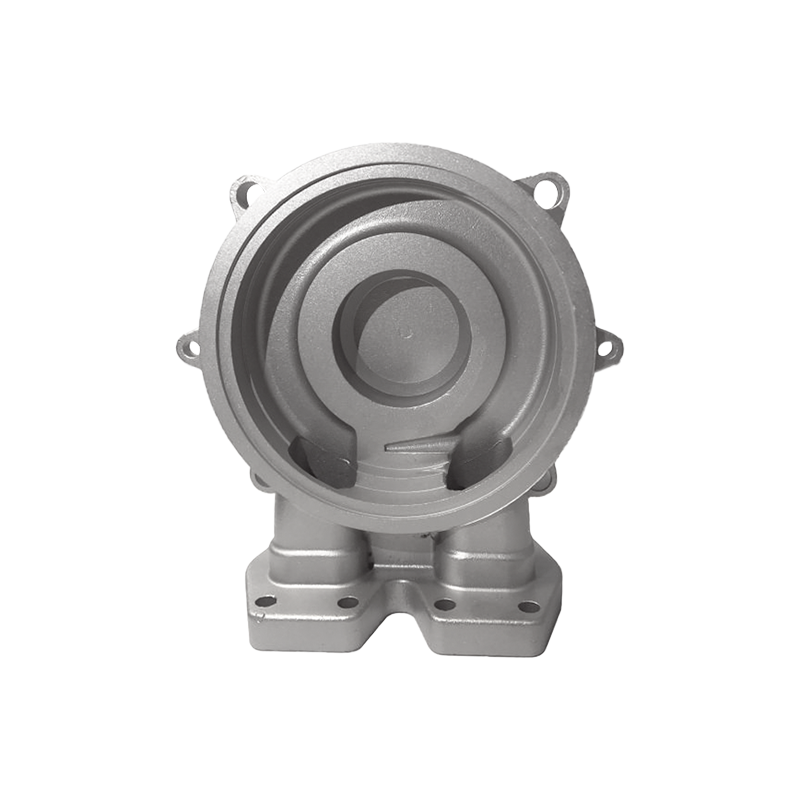
| Parameter | Specification | Notes |
| Process | Investment / Precision Casting | - |
| Available Materials | Stainless Steels (304, 316, CF8M), Heat-Resistant Steels, Ductile Irons, Nickel-based Superalloys | Material selected based on application temp. |
| Typical As-Cast Tolerance | ISO 8062 CT6-8 | Tighter tolerances available via machining. |
| Max. Part Dimensions | Up to 600mm (subject to design review) | - |
| Minimum Wall Thickness | ~3.0 mm (depends on material and design) | - |
| Surface Finish (As-Cast) | Ra 3.2 - 6.3 μm | Can be enhanced via finishing processes. |
| Secondary Operations | CNC Machining, Heat Treatment, Shot Blasting, NDT, Coating | Fully integrated service available. |
Key Advantages:
Unmatched Complexity & Precision: The precision casting process faithfully reproduces the most complex internal scroll geometries and cooling channels, ensuring optimal aerodynamic flow and thermal management directly from the casting, minimizing the need for secondary machining.
Superior Material Properties: Cast from high-grade, heat-resistant stainless steel or nickel-based superalloys, the housing maintains structural integrity and resists thermal fatigue, creep, and oxidation under continuous high-temperature operation.
Excellent Surface Finish & Dimensional Accuracy: The ceramic shell mold yields a superior as-cast surface finish, reducing turbulence. Dimensional accuracy ensures perfect fitment with other turbocharger components (turbine wheel, bearing housing), critical for performance and assembly efficiency.
Material Efficiency & Cost-Effectiveness: Near-net-shape production minimizes material waste. For complex parts like this, precision casting is often more economical than machining from a solid billet, especially for medium-volume production runs.
Design Flexibility: Enables the consolidation of multiple parts into a single, robust casting, reducing potential leak paths and assembly points, thereby enhancing reliability and durability.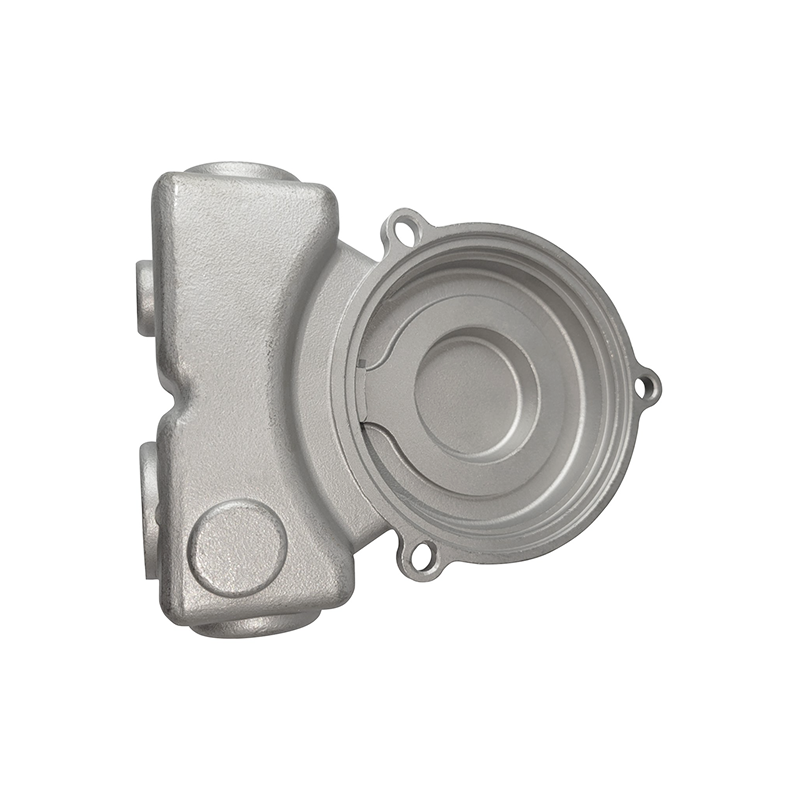
Q1: What specific automotive engine parts and turbocharger components can JBD Foundry custom manufacture?
JBD Foundry provides an extensive array of high-durability, high-precision custom components tailored for high-performance automotive and heavy-duty truck engines. Our core specialization includes precision investment casting for complex turbocharger housings, turbine wheels, wastegate valves, actuator brackets, and exhaust manifolds. For the broader automotive engine block, we manufacture high-strength valve guides, fuel rail components, EGR (Exhaust Gas Recirculation) valve bodies, oil pump gears, and thermostat housings. We offer complete OEM customization supporting sophisticated geometries directly from your 3D CAD models.
Q2: Why is stainless steel lost wax casting preferred for turbocharger housings over traditional cast iron?
Modern automotive engineering demands higher combustion temperatures and pressures to maximize fuel efficiency and reduce emissions. Turbocharger housings frequently operate at extreme thermal thresholds exceeding. Traditional cast iron fails under these severe thermal cycling stresses, leading to oxidation, scaling, and structural cracking. Our lost wax investment casting process utilizes premium stainless steel alloys that offer vastly superior thermal fatigue resistance and high-temperature oxidation protection. Furthermore, lost wax casting yields an ultra-smooth internal volute surface, reducing exhaust gas turbulence and maximizing overall turbocharger aerodynamic efficiency.
Q3: Which specialized stainless steel material grades do you utilize for high-heat automotive applications?
We offer a robust portfolio of advanced austenitic and martensitic alloys specifically formulated to withstand relentless heat and mechanical stress. For standard automotive brackets and structural engine components, we utilize AISI 304 and 316. For extreme, high-heat exhaust environments such as turbo housings and exhaust manifolds, we cast specialized heat-resistant stainless steels including AISI 310S, HK30, HE30, and precipitation-hardening alloys like 17-4 PH. These materials maintain excellent creep strength, structural stability, and structural integrity under prolonged thermal exposure, ensuring an extended automotive service life.
Q4: What are your physical casting capabilities regarding weight, sizing, and automotive manufacturing tolerances?
Our state-of-the-art facility features advanced silica sol lost wax casting production lines capable of holding precise near-net-shape dimensional tolerances (typically CT4-CT6 per ISO 8062). We comfortably cast automotive components spanning a weight range from 0.1 kg to over 50 kg. Our max envelope size accommodates dimensions up to 800 mm × 600 mm × 500 mm. With an expansive annual production output exceeding 2,000 tons, JBD Foundry easily accommodates low-volume motorsport prototyping as well as high-volume commercial Tier-1 automotive production schedules.
Q5: What secondary CNC machining and custom thermal treatments do you perform for engine parts?
Automotive engine assemblies demand strict dimensional compliance for sealing faces, bearing bores, and threaded connections. JBD Foundry acts as a full-service, single-source manufacturer housing an advanced multi-axis CNC machining workshop. We precision-machine turbo flange faces, wastegate seal seats, internal shaft bores, and mounting brackets to sub-millimeter tolerances. For mechanical property optimization, we execute tailored thermal treatments including solution annealing, stress relieving, normalizing, and quenching. These processes modify the microstructural grain alignment, optimize tensile strength, and eradicate internal residual stresses induced during the casting phase.
Q6: How does JBD Foundry enforce quality control and safety validation for critical automotive components?
Operating under a strict ISO 9001 certified quality management framework, we guarantee absolute defect-free reliability for all high-vibration engine components. Every melt undergoes strict chemical verification via optical emission spectrometers before pouring. To prevent catastrophic field failures under boost pressure, we subject our turbocharger and engine castings to comprehensive Non-Destructive Testing (NDT). This includes mandatory liquid penetrant testing to catch micro-cracks and radiographic (X-ray) or ultrasonic inspection to eliminate internal gas porosity. Full material test reports (MTR) accompany every single delivery.