EN
EN


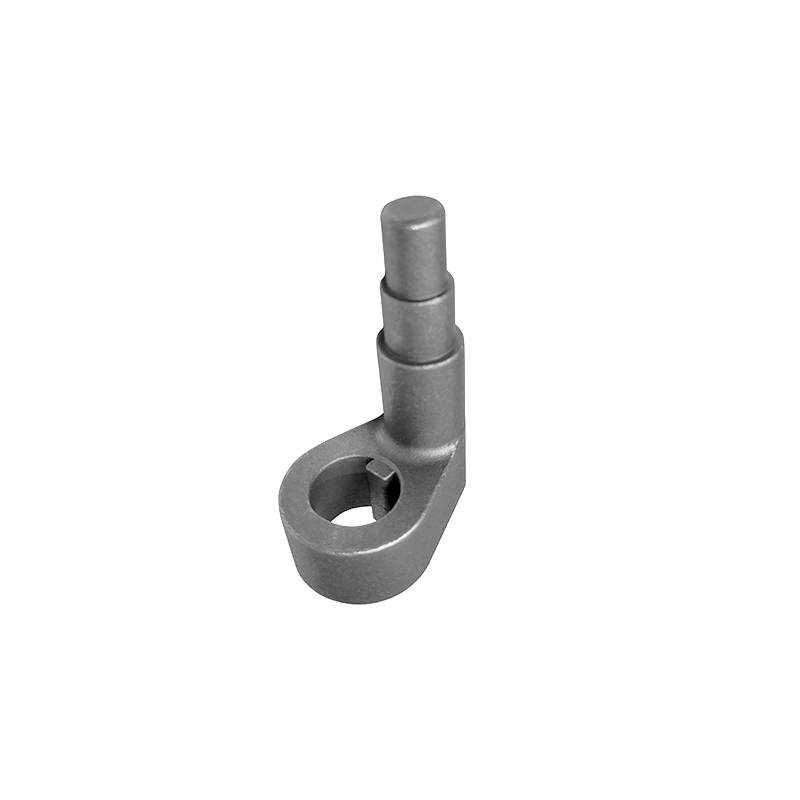
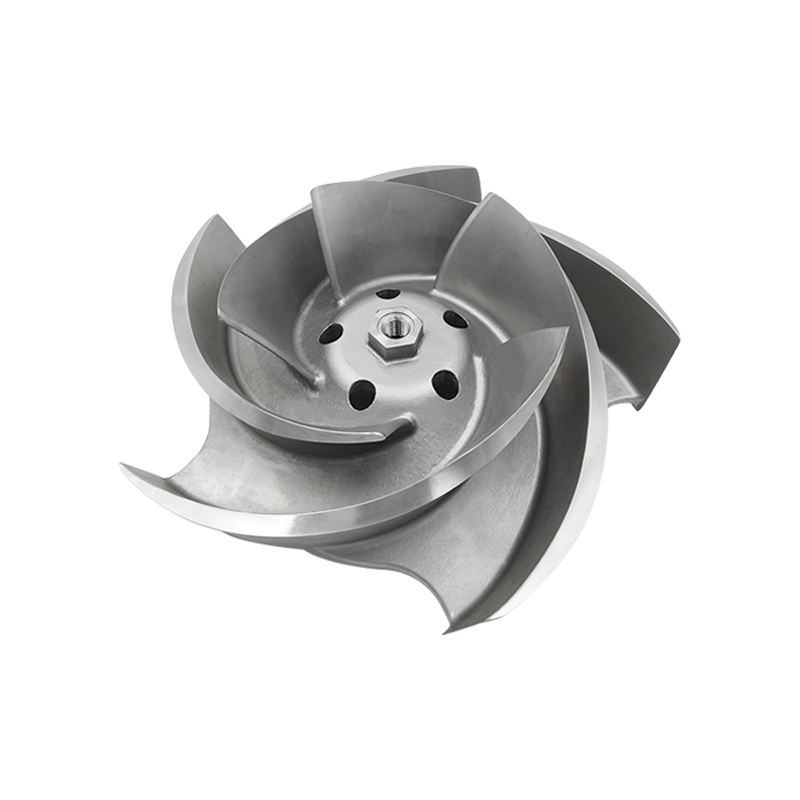
Custom Stainless Steel Precision Casting For Power Generation Turbine Parts
It features complex internal cooling channels and precise film cooling holes, enabling it to direct and withstand extreme temperature combustion gases, thereby ensuring turbine efficiency, durability, and reliable power generation.
- Overview
- FAQ
- Recommended Products
Product Introduction
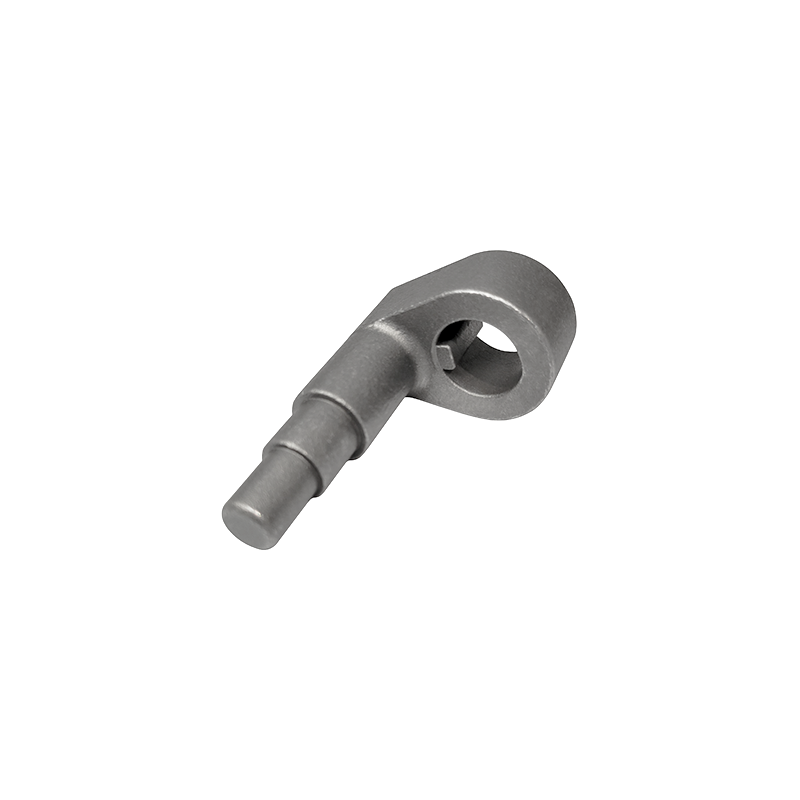
This Precision Cast Nozzle Guide Vane is a critical stationary component located directly downstream of the combustor in a gas turbine. It is subjected to the most severe thermal and mechanical stresses in the entire engine. Utilizing state-of-the-art investment casting (precision casting) technology, it is produced as a single-piece casting from high-performance nickel-based superalloys. The core innovation lies in its sophisticated, integrally-cast internal cooling circuitry—a network of serpentine passages and turbulators—and meticulously placed film cooling holes on the airfoil surface. This design creates a protective layer of cooler air, allowing the vane to survive in gas path temperatures that exceed the base metal's melting point. Its precise aerodynamic profile is crucial for efficiently guiding high-velocity, high-temperature gases onto the rotating turbine blades, directly impacting the overall efficiency and power output of the turbine.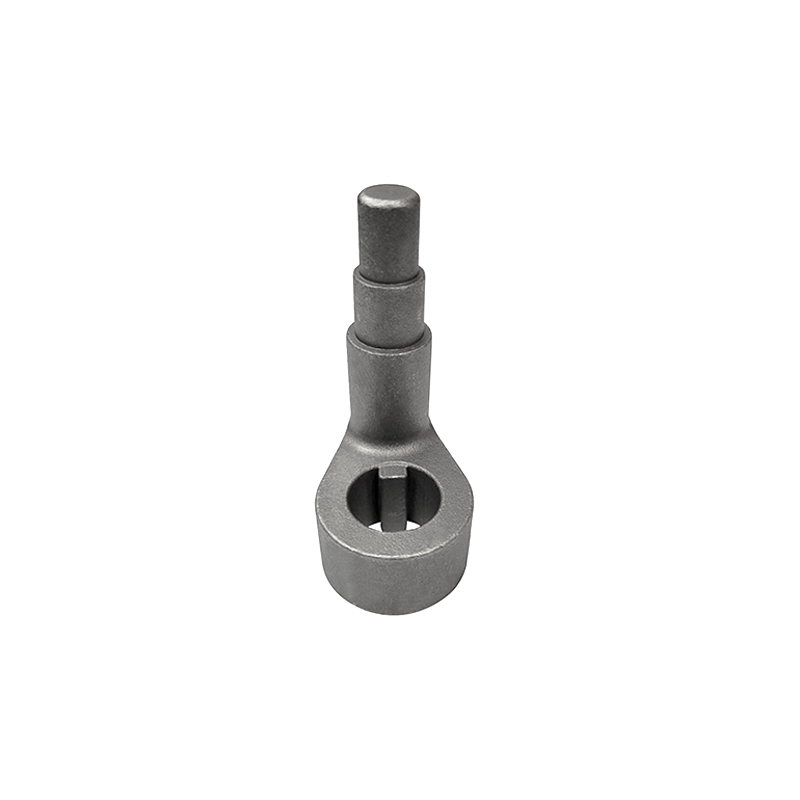
| Parameter | Specification | Notes |
| Manufacturing Process | Investment Casting (Equiaxed/DS) | Directionally Solidified (DS) for enhanced life. |
| Standard Materials | Nickel-based Superalloys (IN Series, Rene Series) | Material selected per specific operating conditions. |
| Internal Features | Complex Internal Cooling Channels & Film Cooling Holes | Integral to the casting process. |
| Standard Casting Tolerance | As per OEM model; Critical interfaces machined to drawing. | - |
| Surface Finish (Airfoil) | As-cast with subsequent finishing (e.g., abrasive flow). | - |
| Heat Treatment | Solution Treatment & Aging | Standard for optimized properties. |
| Secondary Operations | CNC Machining (endwalls, flanges), Heat Treatment, NDT, Coating Application | Full-service offering. |
| Quality Compliance | Manufactured per relevant aerospace/power gen standards (e.g., Nadcap). | - |
Key Advantages:
Integrated Advanced Cooling Geometry: The precision casting process enables the creation of complex, multi-pass internal cooling channels and precise, micro-sized film cooling holes that are impossible to machine. This active cooling is essential for achieving high turbine inlet temperatures, which are key to thermal efficiency.
Aerodynamic Precision & Consistency: The investment casting mold faithfully replicates the exact airfoil contour required for optimal flow dynamics and minimal pressure loss. This ensures consistent performance and balanced gas flow across all vanes in the stage.
Superior Material Integrity & Reliability: As a monolithic casting with a directionally solidified (DS) or equiaxed structure, it possesses a homogeneous microstructure free from joins or welds. This provides outstanding mechanical properties and long-term reliability under extreme thermal cycling.
Life-Cycle Value: While representing a high-value component, its extended service life, contribution to fuel efficiency, and reduction in unplanned outages offer a superior total cost of ownership for power plant operators.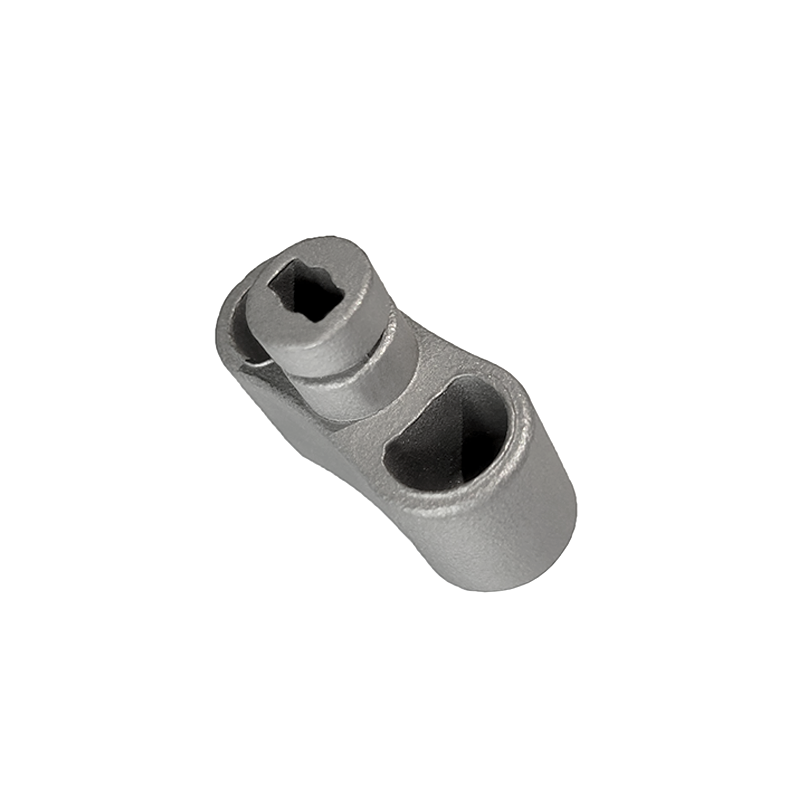
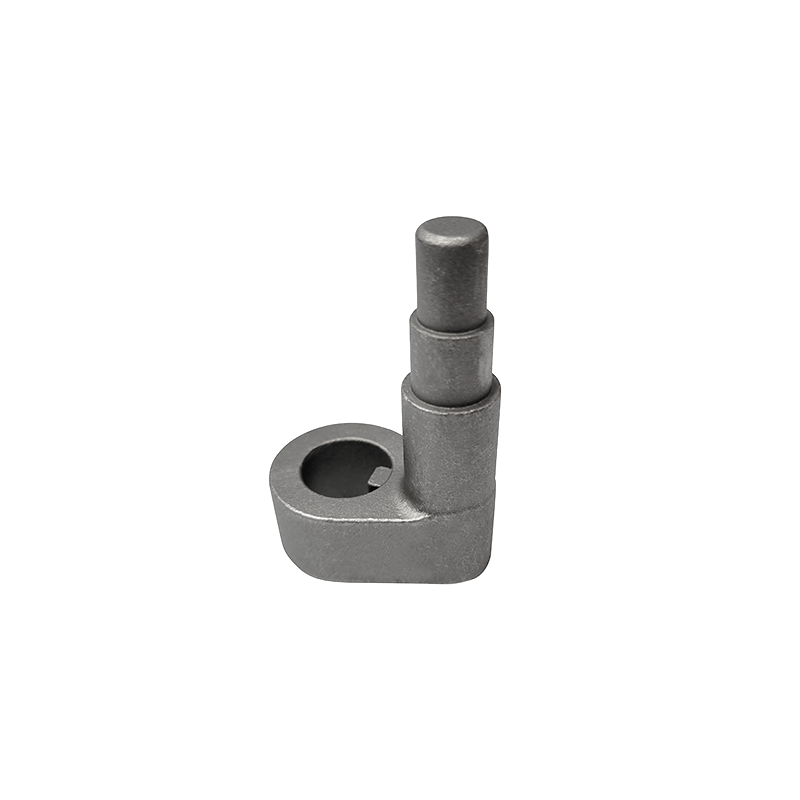
Product Parameters:
Heat Treatment: Full solution heat treatment and aging.
Coatings: Can be supplied with or prepared for Aluminide or MCrAlY diffusion coatings and/or Thermal Barrier Coatings (TBC).
Cooling Features: Integrally cast internal channels and film cooling holes as per engine design.
Dimensional & Quality Standard: Cast to OEM engine model specifications. Critical interfaces are precision machined. Subject to rigorous NDT (X-ray, FPI).
Q1: What specific power generation turbine parts can JBD Foundry custom manufacture?
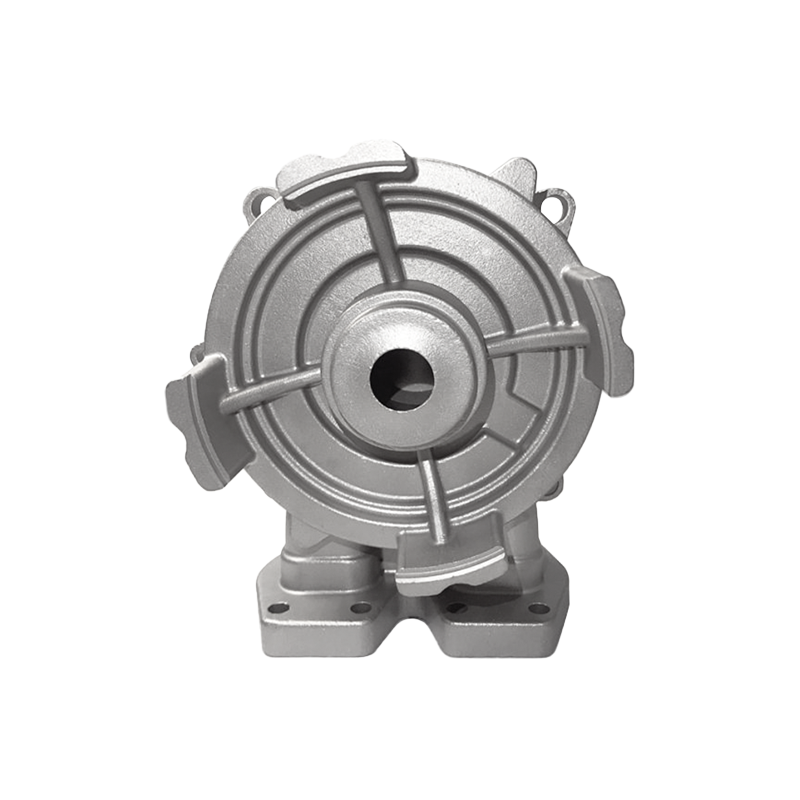
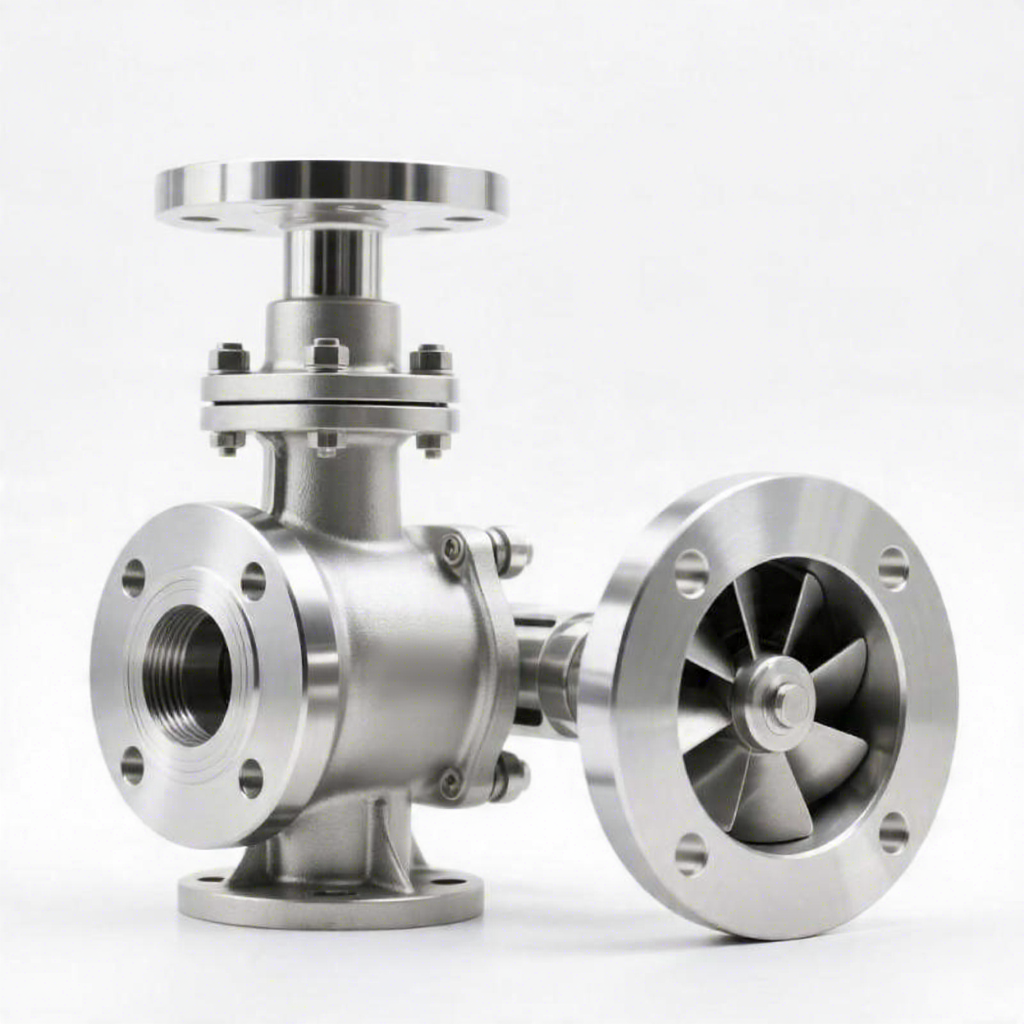
JBD Foundry has extensive experience in manufacturing high-precision components for various power generation systems. Our primary capabilities include custom investment casting for steam turbine blades, gas turbine buckets, stationary guide vanes, nozzle rings, nozzle segments, and diaphragm components. Additionally, we manufacture robust auxiliary hardware for the energy sector, such as high-pressure pump impellers, compressor rotors, turbine housings, exhaust casings, heat exchanger flanges, and advanced fluid control valve bodies. We support full custom manufacturing based on your precise 3D CAD models and technical blueprints.
Q2: Why is stainless steel precision casting preferred over alternative manufacturing processes for turbine components?
Turbine components operate under relentless rotational friction, aerodynamic stress, and high temperatures. Precision casting using the silica sol investment process delivers exceptional dimensional accuracy (ISO 8062 CT4-CT6) and an ultra-smooth surface finish (Ra 3.2 without secondary machining). This fine finish maximizes aerodynamic flow efficiency and reduces parasitic drag, which directly increases turbine energy output. Unlike welded fabrications, investment casting delivers a continuous, homogeneous grain structure free from internal stresses, significantly reducing catastrophic fatigue failures during heavy-duty continuous operations.
Q3: Which stainless steel material grades do you provide to handle the extreme environments of power turbines?
We cast a wide selection of premium-grade alloys developed specifically to withstand mechanical creep, oxidation, and high-temperature corrosion. For steam and gas turbines, we frequently utilize martensitic stainless steels like AISI 410, 420, and 422, which offer high mechanical strength and excellent resistance to tempering and erosion. For high-temperature or highly corrosive environments, we offer austenitic grades like AISI 310S and 316L, duplex stainless steels, and precipitation-hardening alloys like 17-4 PH. We can also accommodate specialty nickel-based superalloys or custom chemical formulations requested by energy engineers.
Q4: What are JBD Foundry’s physical casting limits regarding dimensions, weight, and production capacity?
Our state-of-the-art facility is fully equipped to handle both detailed small-scale components and larger turbine hardware. Our silica sol investment casting process accommodates maximum dimensions up to 1,000 mm × 800 mm × 500 mm. The typical weight range for our precision-cast parts spans from 0.5 kg to 100 kg. With an expansive annual production output exceeding 2,000 tons, JBD Foundry has the operational scale to manage specialized, low-volume prototype developments as well as high-volume commercial production runs with consistent turnaround efficiency.
Q5: What secondary CNC machining services and surface treatments do you perform?
JBD Foundry acts as a complete, single-source turnkey manufacturer. To achieve the sub-millimeter clearances demanded by turbine rotational paths, our facility features advanced multi-axis CNC machining lines, precision vertical mills, boring machines, and turning lathes. For post-casting finishing, we offer professional shot blasting, sandblasting, chemical pickling, and passivation. We also execute critical thermal treatments—including solution annealing, tempering, stress relieving, and quenching—to alter the microstructural grain alignment, maximize fracture toughness, and optimize material hardness.
Q6: How does JBD Foundry ensure the rigorous quality control and safety compliance required for energy infrastructure?
Operating under strict ISO 9001 quality management systems, we enforce an uncompromising zero-defect policy. Every alloy heat is verified using optical emission spectrometers for strict chemical composition compliance. To ensure the internal structural integrity of high-RPM turbine components, we provide mandatory Non-Destructive Testing (NDT), including liquid penetrant inspection, magnetic particle testing, ultrasonic testing, and radiographic (X-ray) inspections. We also deliver comprehensive destructive evaluation reports covering mechanical tensile strength, yield strength, elongation, and impact testing for complete regulatory compliance.