EN
EN


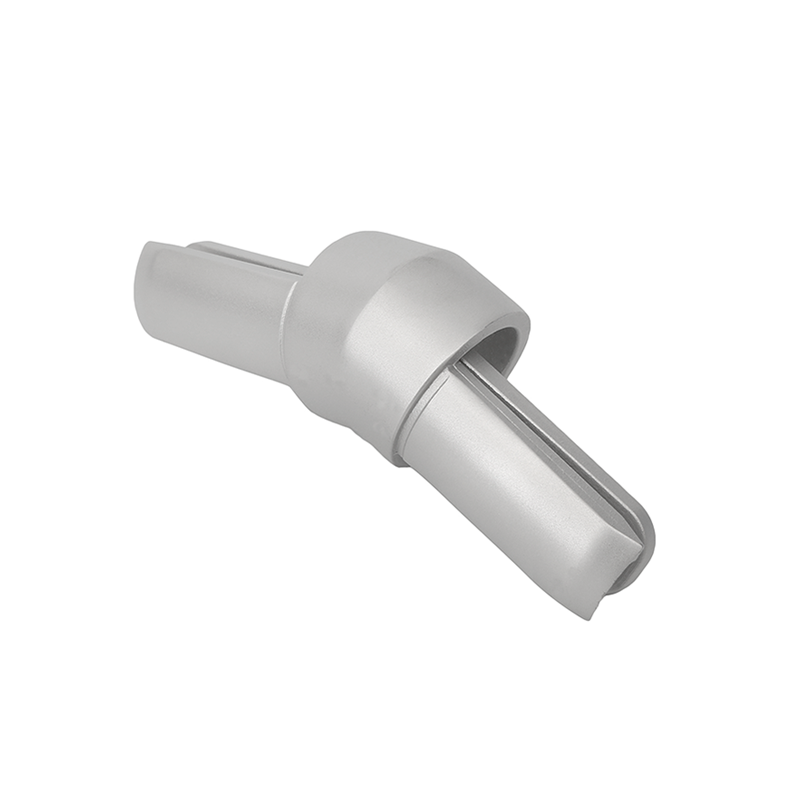
Expert Custom Stainless Steel Precision Casting For Agricultural Machinery Parts And Mining Equipment Components
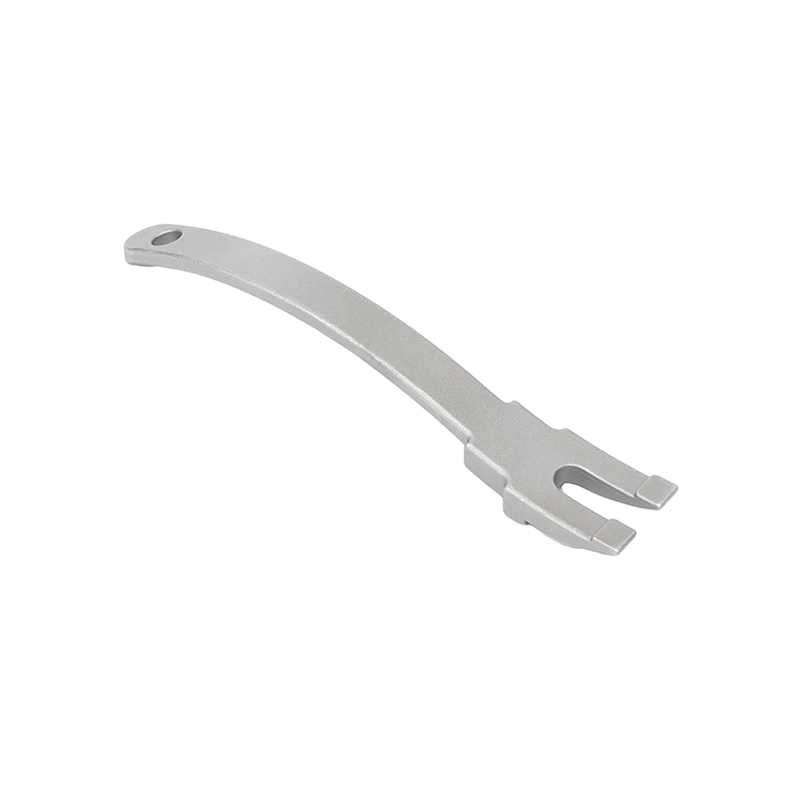
This cultivator Parts is manufactured using precision investment casting from high-chromium alloy steel. It is engineered for superior soil penetration, exceptional abrasion resistance, and longer service life in demanding tillage applications, reducing downtime and replacement costs.
- Overview
- FAQ
- Recommended Products
Product Introduction
Utilizing the investment casting process allows for the creation of a complex, near-net-shape geometry that integrates the point's body, wear wings, and mounting features into a single, robust unit. This method enables superior control over the metallurgical structure, resulting in a part that is both incredibly hard at the wearing edge and tough in the core to resist breakage. Cast from specialized high-carbon, high-chromium alloys, it offers dramatically improved wear life compared to forged or fabricated standard points, directly impacting operational efficiency and cost per acre for farmers.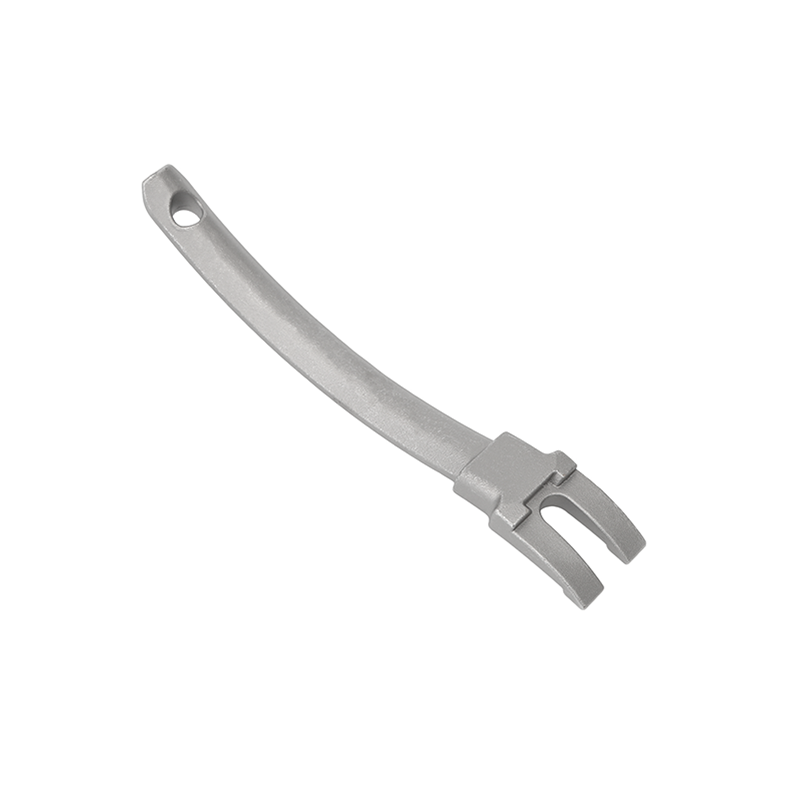
| Parameter | Specification | Notes |
| Manufacturing Process | Investment / Precision Casting | - |
| Standard Material | High Chromium Cast Iron (Cr 15-25%) | Other wear-resistant steels available. |
| Typical Hardness | 58 - 62 HRC | Can be tailored based on soil conditions. |
| Heat Treatment | Quenched & Tempered | Standard for optimal performance. |
| Standard Casting Tolerance | ISO 8062 CT8-10 | Critical mounting holes are machined. |
| Weight Range | 1.5 kg - 5.0 kg | Design-dependent. |
| Secondary Operations | Shot Blasting, Precision Machining (on request), Hardness Testing | - |
Key Advantages:
Exceptional Wear Resistance & Longevity: Made from premium wear-resistant alloys (e.g., High Chromium Cast Iron), it provides 2-3 times the service life of conventional points, significantly lowering long-term operating costs.
Optimal Geometry for Performance: The precision casting process accurately reproduces complex, aerodynamically efficient shapes that reduce draft force, improve soil inversion, and achieve consistent penetration depth with less horsepower requirement.
Superior Strength & Durability: The homogeneous, fine-grained microstructure achieved through controlled casting and heat treatment provides an optimal balance of high surface hardness and good impact resistance, preventing premature failure.
Material & Design Consistency: Every point is identical, ensuring predictable and uniform wear patterns and performance across all rows of equipment, leading to more consistent tillage results.
Cost-Effectiveness: While the initial cost may be higher, the dramatically extended service life and reduced changeover downtime offer a much lower total cost of ownership.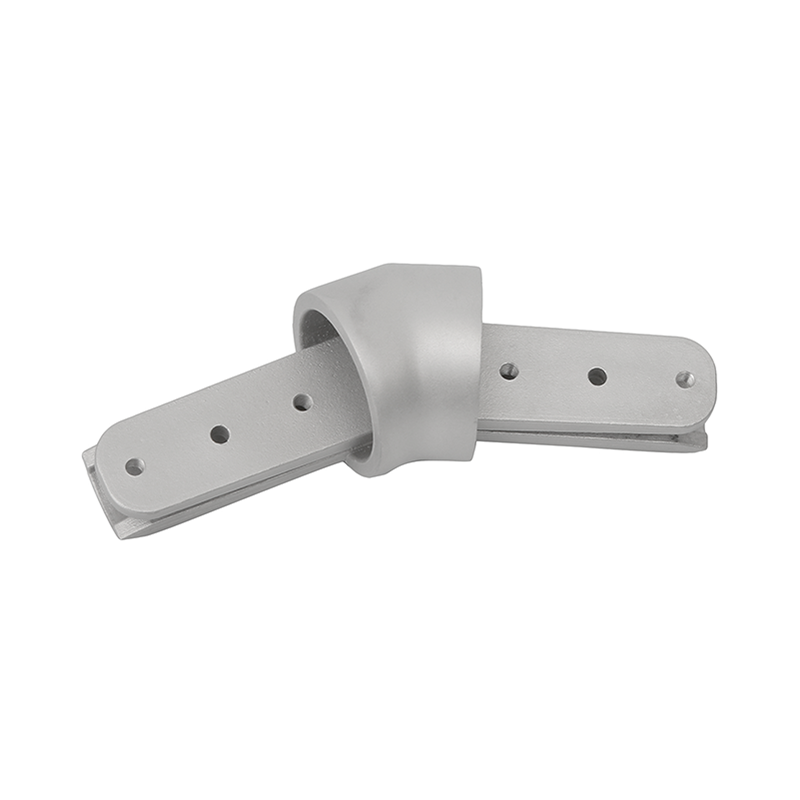
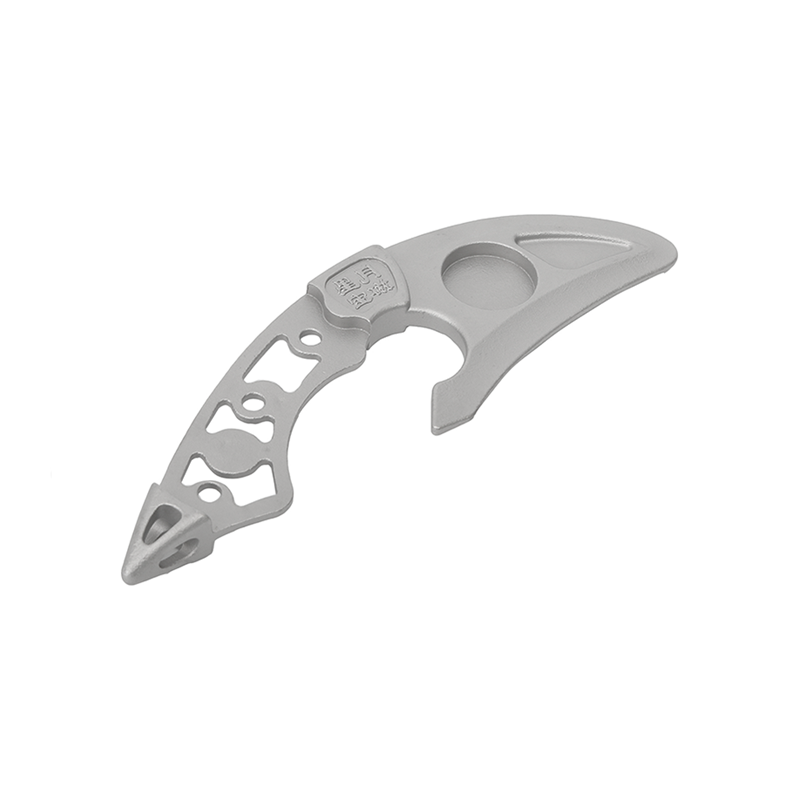
Q1: What specific components can JBD Foundry custom manufacture for agricultural and mining machinery?
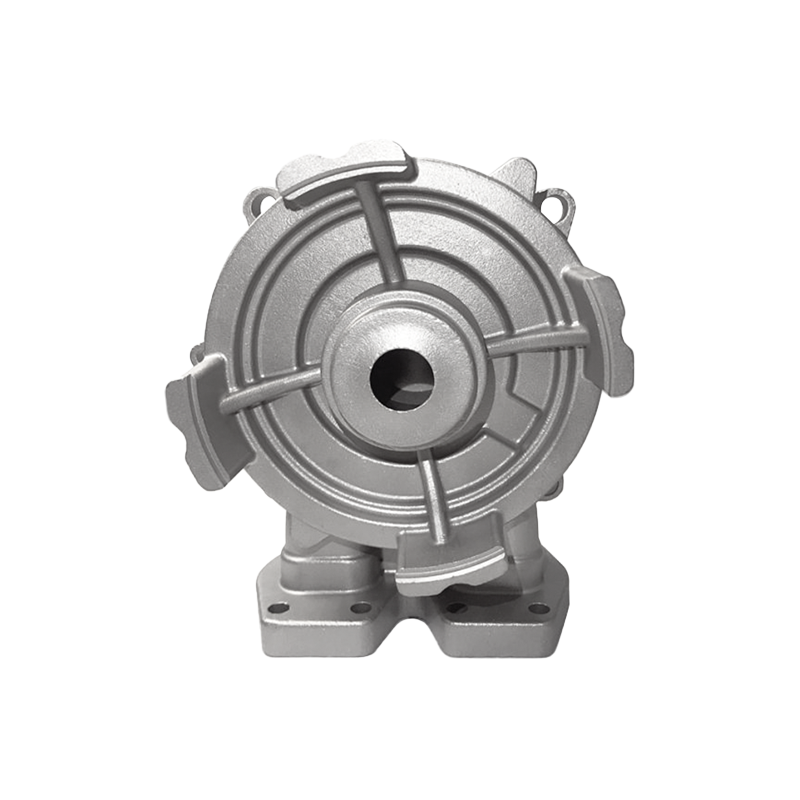
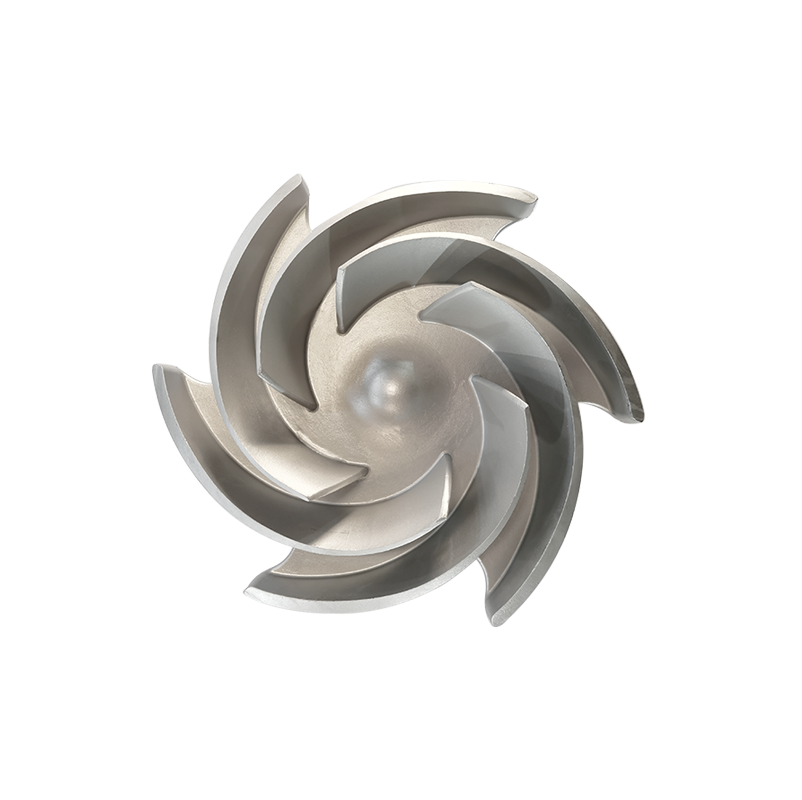
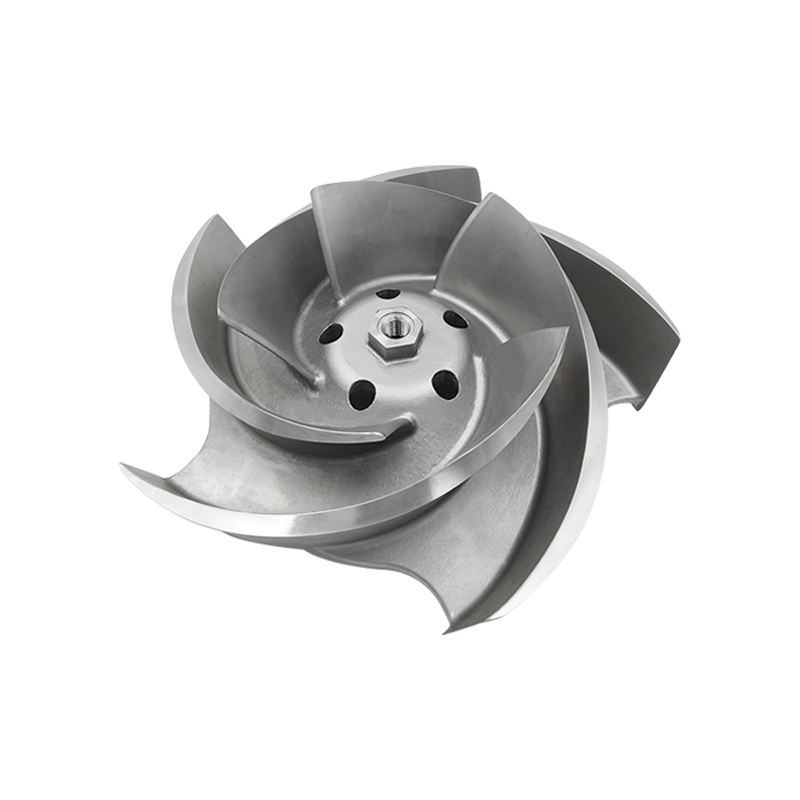
We specialize in manufacturing a comprehensive range of high-durability components. For agricultural machinery, this includes custom gear housings, connection rods, torque rods, brackets, hangers, oil pump housings, and custom tractor attachments. For heavy-duty mining equipment, we produce wear-resistant parts, excavator links, valve bodies, pump impellers, conveyor components, brackets, and high-impact structural joints. Our advanced production capabilities enable us to deliver complex geometries that perfectly fit your heavy machinery assemblies.
Q2: Why is stainless steel precision casting preferred over sand casting or fabrication for these industries?
Stainless steel precision casting (investment casting via the silica sol process) provides exceptional dimensional accuracy, intricate details, and a superior surface finish (typically Ra 3.2 to Ra 0.8 after machining) compared to sand casting. This minimizes or completely eliminates the need for expensive secondary machining. Furthermore, precision-cast stainless steel exhibits uniform material structures, free of internal defects like gas holes or sand inclusions. This ensures maximum structural integrity, which is critical for agricultural and mining components subjected to extreme stress, high loads, and abrasive environments.
Q3: Which stainless steel material grades do you offer for custom casting?
We offer a wide selection of premium-grade alloys tailored to specific operational challenges. Our standard options include austenitic stainless steels like AISI 304 and 316, which deliver outstanding corrosion resistance against fertilizers, moisture, and chemical agents in farming. For heavy-impact and wear-heavy mining environments, we utilize martensitic and precipitation-hardening stainless steels (such as 17-4 PH, 410, and 420) or duplex stainless steels. These grades offer an optimal blend of extreme mechanical tensile strength, hardness, and corrosion resistance. Custom alloy compositions can also be formulated on request.
Q4: What are the size, weight, and dimensional tolerance capabilities of your foundry?
Our state-of-the-art facility features an investment casting production capacity capable of accommodating parts with maximum dimensions up to 1,000 mm × 800 mm × 500 mm. The typical weight range for our custom-cast components spans from 0.5 kg to 100 kg. With an annual output capacity exceeding 2,000 tons, we comfortably handle both small-batch specialized runs and high-volume industrial productions. We adhere strictly to precise dimensional tolerance standards (such as CT4-CT6 per ISO 8062), ensuring tight fits and predictable assembly behavior.
Q5: What secondary machining and surface treatment options do you provide?
JBD Foundry functions as a complete, single-source manufacturing partner. Equipped with advanced multi-axis CNC machining lines, CNC milling centers, and precision turning equipment, we provide post-casting machining to fulfill micro-tolerance requirements. Our comprehensive post-processing surface treatments include shot blasting, sandblasting, pickling, passivation, electropolishing, and mirror polishing. Available heat treatment options include annealing, solution treatment, normalizing, carburizing, and nitriding to optimize the mechanical hardness and ductility of your parts.
Q6: How does JBD Foundry guarantee the quality of parts destined for harsh environments?
Quality assurance is deeply integrated into our operations under ISO 9001 certification. We conduct rigorous non-destructive and destructive testing throughout production. This includes chemical composition analysis using optical emission spectrometers, mechanical testing (tensile strength, yield strength, and elongation), hardness testing (Brinell and Rockwell), and meticulous dimensional inspections with coordinate measuring machines (CMM). To prevent premature field failures in high-vibration and high-impact mining applications, we also provide ultrasonic, magnetic particle, or radiographic (X-ray) testing to confirm zero internal defects.