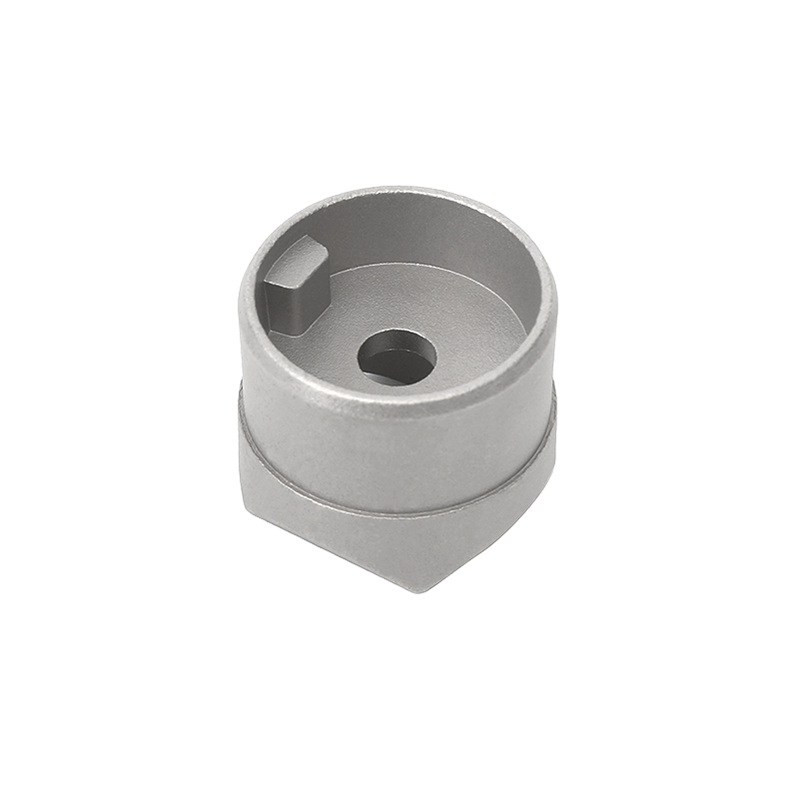
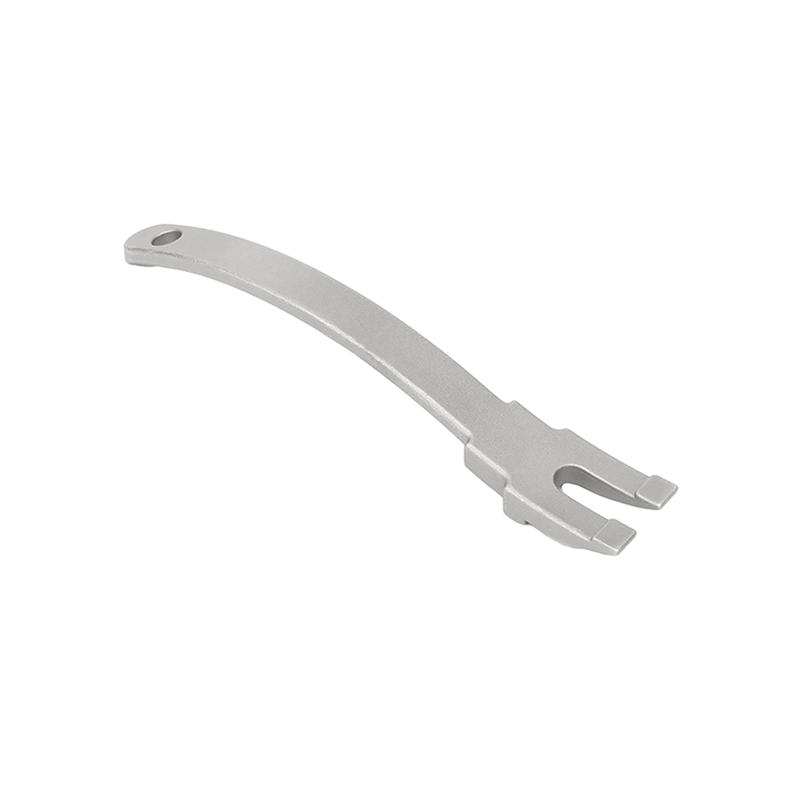
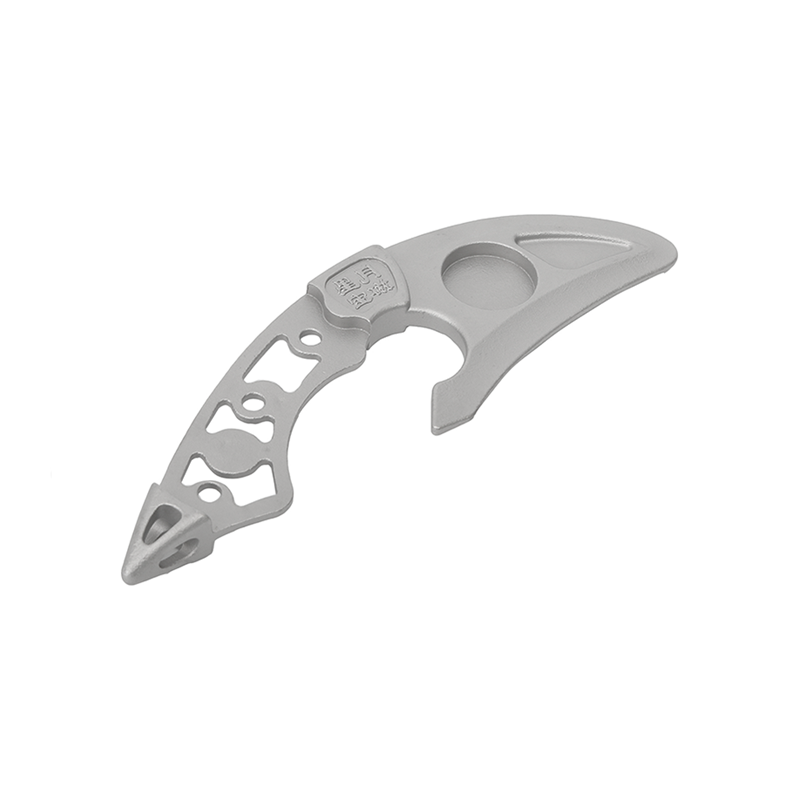
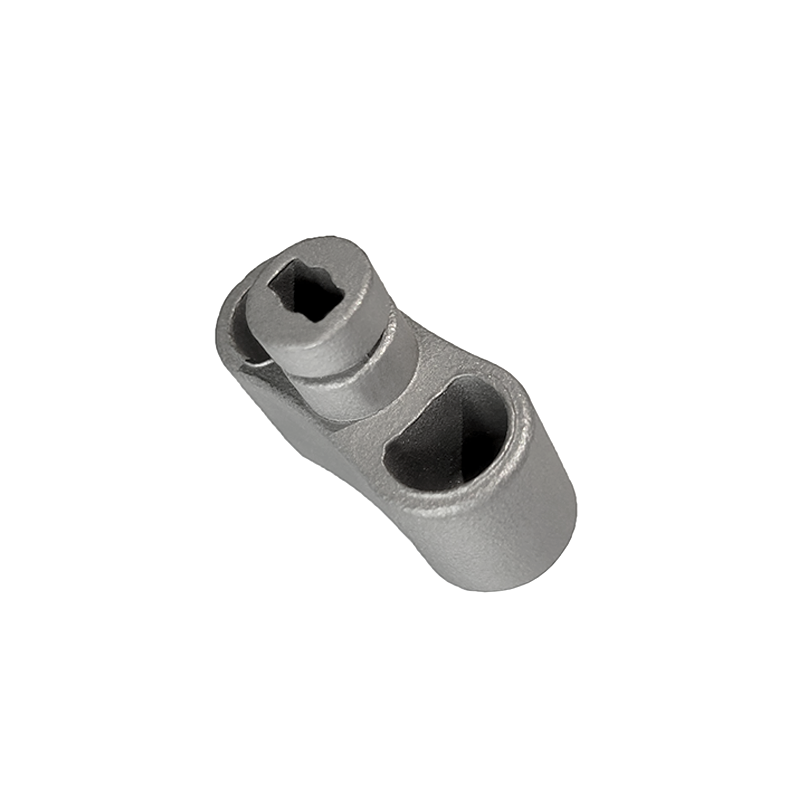
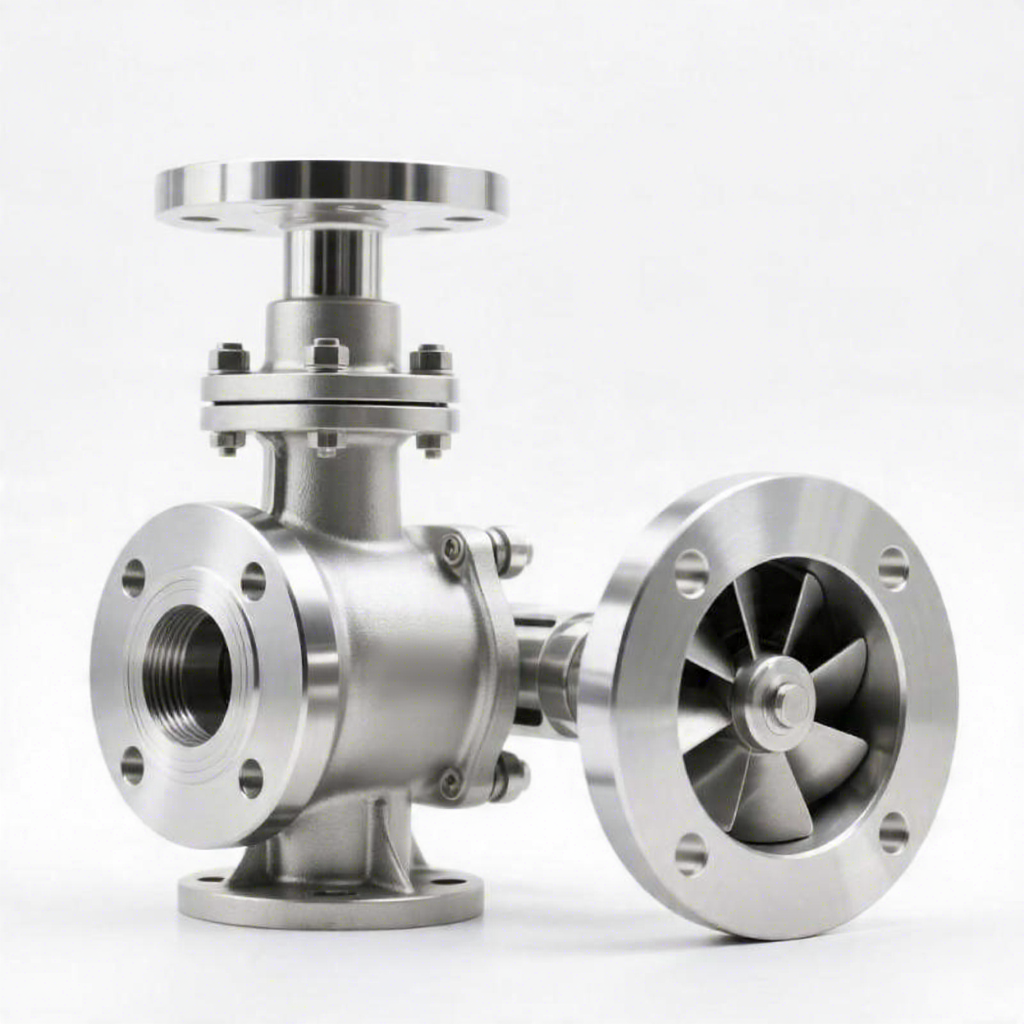
3D Printing for Metal Casting: Precision Cast Steel Parts

Get a Free Quote

Our representative will contact you soon.
Email
Mobile/WhatsApp
Name
Company Name
Message
0/1000

Advanced 3D Printing for Metal Casting Solutions by Dongguan Jinbianda

Discover how Dongguan Jinbianda Hardware Products Co., Ltd. leverages 3D printing for metal casting to deliver precision investment casting parts with unmatched accuracy, complexity, and speed. Our integration of 3D printing technology in the casting process enables rapid prototyping, custom mold development, and cost-effective production of complex geometries that traditional methods cannot achieve. As a global leader with over 25 years of experience, we combine time-tested investment casting expertise with cutting-edge additive manufacturing to provide solutions that meet the highest standards of quality and efficiency. Whether you need intricate aerospace components, durable automotive parts, or custom industrial machinery, our 3D printing for metal casting services ensure superior dimensional accuracy, excellent surface finish, and exceptional material properties across a wide range of alloys including stainless steel, superalloys, and reactive materials.
Get A Quote

Case Study

Unparalleled Design Freedom with 3D Printing Integration

Our adoption of 3D printing for metal casting revolutionizes the design and manufacturing process. By combining additive manufacturing with traditional investment casting, we enable the creation of extremely complex geometries and intricate internal features that are impossible or uneconomical with conventional methods. 3D printing allows for the rapid production of wax patterns and molds, eliminating the need for expensive hard tooling in prototype and low-volume runs. This capability is particularly beneficial for clients requiring design flexibility, part consolidation, and the integration of multiple components into a single, robust casting. We can manufacture parts with extremely tight tolerances (±0.1 mm) and excellent surface finish, reducing the need for secondary machining. Our engineers work closely with clients to optimize designs for manufacturability, ensuring that the full potential of 3D printing is utilized.

Exceptional Material Versatility and Performance

One of the key advantages of our 3D printing for metal casting is the ability to work with an extensive range of alloys, including high-performance superalloys, corrosion-resistant stainless steels, and reactive materials like titanium. Unlike other additive manufacturing techniques that may have material limitations, our hybrid process allows us to cast parts that must maintain their mechanical properties under extreme conditions—be it high temperatures, high pressures, or corrosive environments. We have extensive experience in casting materials such as 17-4PH stainless steel, Inconel 718, cobalt-chrome, and aluminum alloys, ensuring that your parts meet rigorous performance standards. Our metallurgical expertise ensures proper heat treatment and microstructure control, resulting in superior tensile strength, hardness, and fatigue resistance.

Cost-Effective Production for Complex Parts

While 3D printing for metal casting may involve initial tooling investments, it becomes highly economical for producing complex parts in medium to high volumes. The ability to create precise wax patterns directly from CAD data eliminates the lead time and cost associated with traditional injection-molded tooling. This is especially advantageous for short production runs, new product launches, and customization. Additionally, the near-net-shape capability reduces material waste and machining time, lowering overall production costs. Our efficient workflow, combined with our CNC machining and post-processing capabilities, ensures that we deliver high-quality parts at competitive prices. We provide transparent cost structures and work with clients to determine the most cost-effective production strategy based on volume, complexity, and timeline.

Related products

The advent of 3D printing has significantly transformed the metal casting industry, offering unprecedented opportunities for innovation and efficiency. At Dongguan Jinbianda, we have mastered the integration of 3D printing for metal casting to provide our clients with superior casting solutions that were previously unattainable. By utilizing 3D printing to create intricate patterns and molds, we circumvent the limitations of traditional tooling, enabling the production of complex geometries with internal channels, undercuts, and fine details that would be impossible to achieve otherwise. This technology is particularly advantageous for industries requiring lightweight components with optimized structures, such as aerospace and automotive sectors, where reducing weight without sacrificing strength is crucial. Our expertise in investment casting combined with 3D printing allows us to produce parts that exhibit excellent dimensional accuracy and surface quality, minimizing the need for post-machining and reducing production lead times. Moreover, our materials experts ensure that the selected alloys—ranging from stainless steels and tool steels to nickel-based superalloys—are processed to achieve the desired mechanical and chemical properties. We also assist clients in design for manufacturability, helping them to consolidate parts and reduce assembly steps. Our commitment to quality is reflected in our rigorous inspection and testing procedures, including X-ray, spectrometric analysis, and mechanical testing. By choosing Jinbianda's 3D printing for metal casting, you gain a partner that is dedicated to advancing your product's performance, reliability, and market competitiveness. We are proud to serve clients worldwide, delivering high-quality components that meet the most demanding standards.
Frequently Asked Questions

What are the main benefits of using 3D printing for metal casting?

3D printing for metal casting offers numerous advantages over conventional casting methods. It allows for the production of highly complex geometries that are difficult or impossible to achieve with traditional tooling. This flexibility enables part consolidation, reducing assembly time and potential points of failure. Additionally, 3D printing accelerates prototyping and low-volume production, as it eliminates the need for expensive hard tooling. It also enhances design accuracy and surface finish, resulting in parts that require minimal secondary machining. At Jinbianda, we combine 3D printing with investment casting to deliver cost-effective, high-precision components that meet the most stringent requirements.
We support a wide range of alloys, including stainless steels (e.g., 17-4PH, 316L), carbon steels, tool steels, nickel-based superalloys (e.g., Inconel 718), cobalt-chrome, and aluminum bronzes. Our material versatility allows us to select the optimal alloy for your application, ensuring that the final part possesses the required mechanical properties, corrosion resistance, and heat tolerance. We also provide material certifications and testing to ensure compliance with industry standards.
Traditional investment casting requires the production of metal molds, which can take weeks or months to manufacture. With 3D printing, we can create wax patterns directly from digital files within days, significantly shortening the production lead time. This is especially beneficial for prototyping and small-batch production, where the cost and time of tooling are often prohibitive. Our streamlined process enables rapid iteration and faster time-to-market for new products.
While 3D printing is ideal for prototyping and small to medium volumes, we also have capabilities for large-scale production. By integrating 3D printing with our traditional investment casting, we can produce high volumes of complex parts efficiently. We evaluate each project to determine the most cost-effective approach, utilizing 3D printing for patterns and scaling up as needed. Our manufacturing facility is equipped to handle both low-volume specialty parts and high-volume production runs.
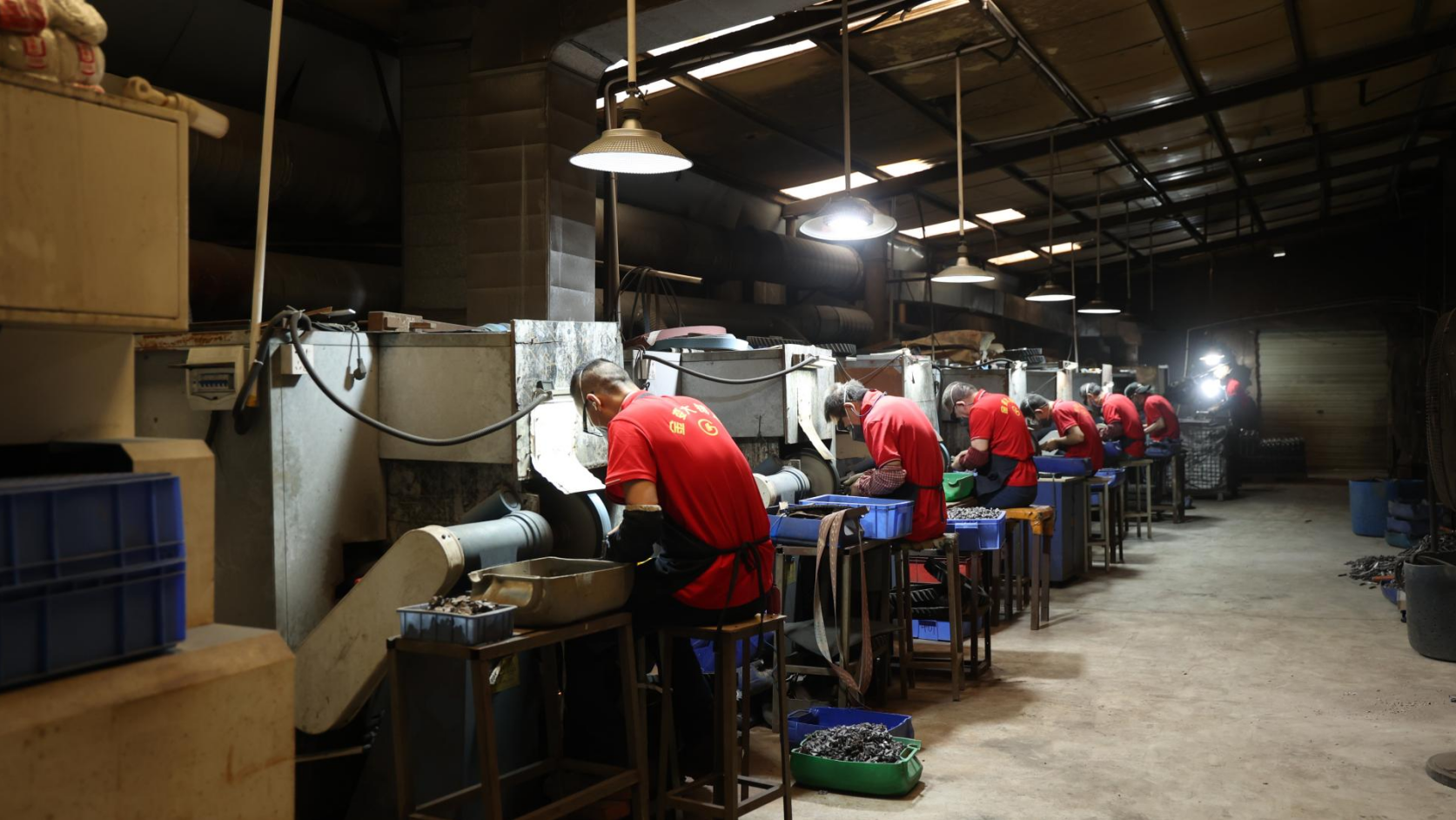
At Jinbianda, we adhere to rigorous quality control measures throughout the entire process. Our state-of-the-art equipment, including 3D printers with high resolution, ensures accurate pattern production. We perform thorough inspections, including dimensional measurements using coordinate measuring machines (CMM), surface finish analysis, and non-destructive testing (e.g., X-ray, ultrasonic) to detect internal defects. We also conduct mechanical testing and material analysis to verify properties. Our commitment to quality has earned us certifications such as ISO 9001, and we trace materials to ensure consistency.

Related article

Investment Casting in the Automotive Industry: Powering Precision, Performance & Lightweighting

14

Jul

Investment Casting in the Automotive Industry: Powering Precision, Performance & Lightweighting

View More
Precision Casting Technical Training: Key Process Control for Quality | Jin Bian Da Factory

20

Jul

Precision Casting Technical Training: Key Process Control for Quality | Jin Bian Da Factory

View More
Why is iron casting widely used in the automotive industry?

07

Aug

Why is iron casting widely used in the automotive industry?

More Than Just an Old-School Material Open the hood of nearly any vehicle on the road today, and iron is everywhere. Engine blocks, cylinder heads, brake rotors, suspension knuckles, transmission housings—the list runs long. Despite decades of ...
View More
What are the typical applications of casting iron in construction?

26

Aug

What are the typical applications of casting iron in construction?

More than just manhole covers Mention cast iron in construction, and most people picture manhole covers and drainage grates. That‘s not wrong—those are ubiquitous applications that most urban dwellers encounter daily. But they only scratc...
View More

Reviews

Jonathan Miller

We have been working with Jinbianda for over two years, and their 3D printing for metal casting service has transformed our prototyping process. The level of precision and complexity they achieve is remarkable. We were able to produce intricate components that reduced our assembly time by 30%. The team is highly responsive and professional, ensuring that we meet our critical deadlines. I highly recommend their services.

Sarah Bennett

As a medical device manufacturer, we require extremely tight tolerances and biocompatible materials. Jinbianda's 3D printing for metal casting allowed us to create custom implants with complex geometries that were impossible to cast before. The quality is exceptional, and the cost savings were significant. They provided excellent technical support and delivered on time. We are thrilled with the results.

Get a Free Quote

Our representative will contact you soon.
Email
Mobile/WhatsApp
Name
Company Name
Message
0/1000
Accelerated Prototyping and Time-to-Market

Accelerated Prototyping and Time-to-Market

Our 3D printing for metal casting service significantly reduces the time from design to finished part. By eliminating the need for traditional wax tooling, we can produce patterns within days, allowing for rapid prototyping and iterative design improvements. This speed enables our clients to test multiple iterations quickly, refine designs, and bring products to market faster. Moreover, the ability to adjust patterns easily without additional tooling costs makes it an economical choice for development projects. Our clients benefit from shortened lead times and increased competitiveness in fast-paced industries.
Exceptional Precision and Surface Finish

Exceptional Precision and Surface Finish

The integration of 3D printing with investment casting allows us to achieve unsurpassed accuracy, with tolerances as tight as ±0.1 mm. The process ensures excellent dimensional stability and smooth surface finish, often eliminating the need for secondary machining. This high precision is critical for applications in aerospace, medical, and automotive industries where exact specifications are mandatory. Our detailed surface inspection and quality control guarantee that every part meets your exact requirements, providing reliability and performance that exceed expectations.
Sustainability and Cost Efficiency

Sustainability and Cost Efficiency

3D printing for metal casting contributes to environmental sustainability by reducing material waste. Unlike traditional methods that may require extensive machining to remove excess material, our near-net-shape casting minimizes material usage. Furthermore, the reduced energy consumption and lower tooling waste make the process more eco-friendly. Cost efficiency is achieved through reduced labor, fewer production steps, and faster cycle times. We pass these savings on to our clients, offering competitive pricing while maintaining high quality. Choosing Jinbianda not only benefits your bottom line but also the planet.