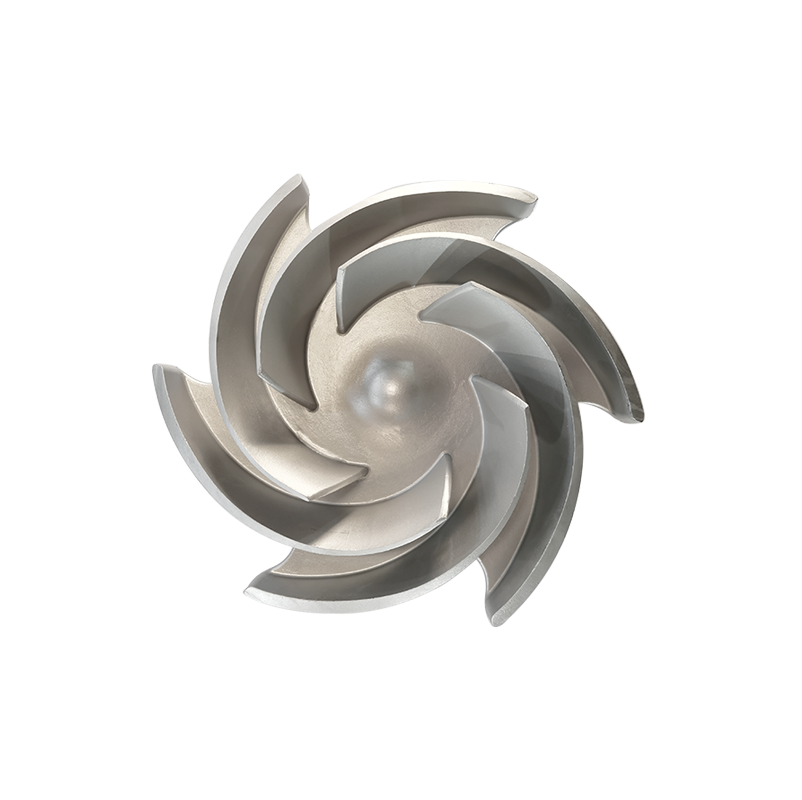
Summary: Jin Bian Da Precision Casting Factory recently organized a comprehensive in-house technical training focusing on the critical process controls in investment casting. The program aimed to deepen the frontline team's understanding of four core stages: mold design, wax pattern production, shell building, and de-waxing/sintering. By emphasizing the precise management of tolerances, stress relief, and temperature profiles, the training tackled challenges in manufacturing complex thin-walled components. This systematic knowledge transfer is expected to directly contribute to a 5% or higher increase in overall yield rates, providing a solid foundation for producing more demanding valve bodies, pump housings, and impellers for clients.
Key Focus Areas and Learning Objectives
The training dissected the entire precision casting workflow, highlighting specific controls at each stage to prevent defects and ensure consistency.
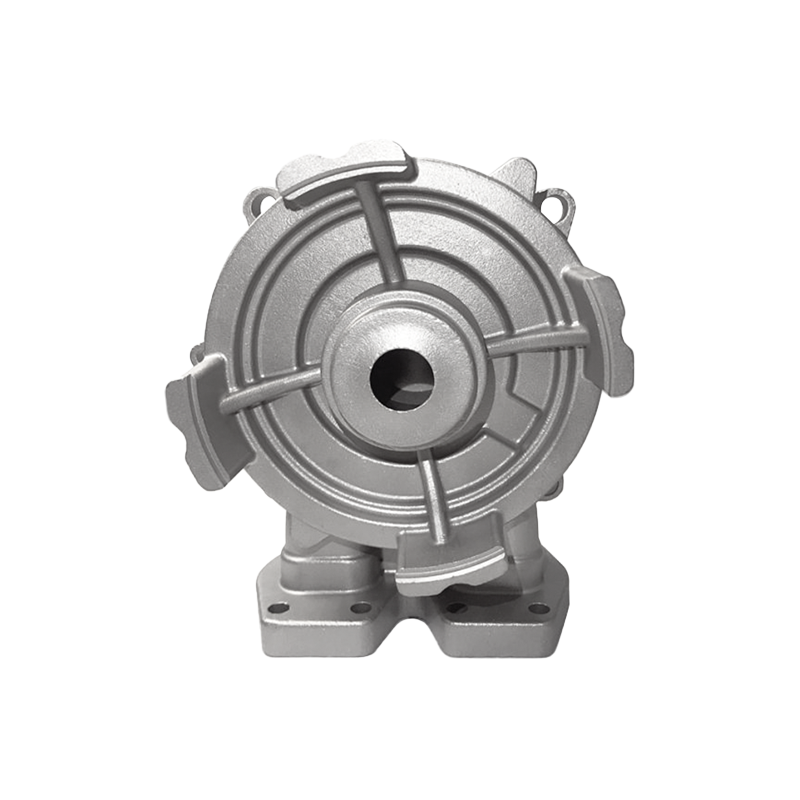
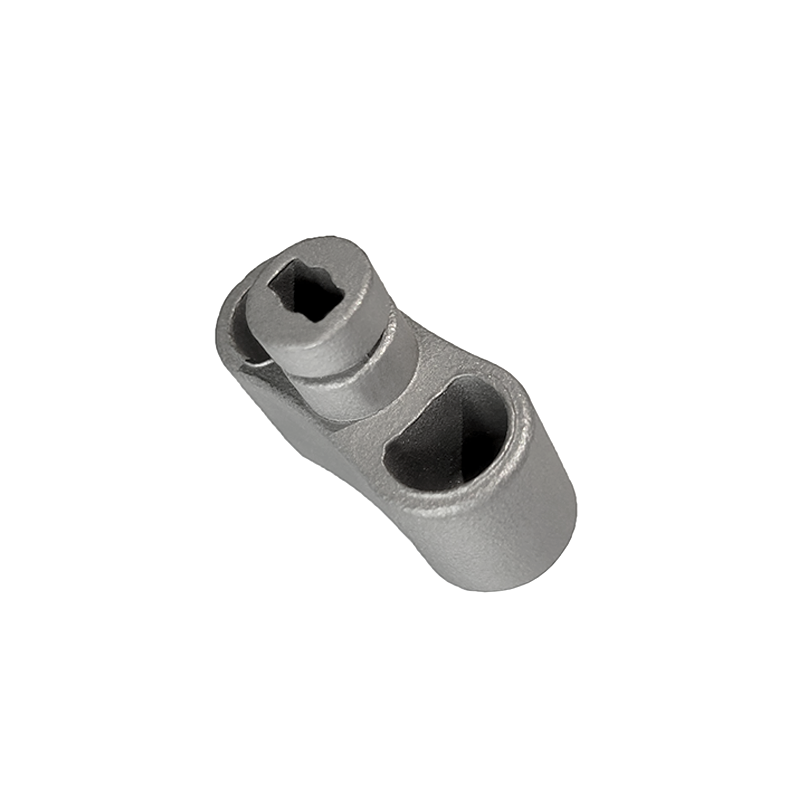
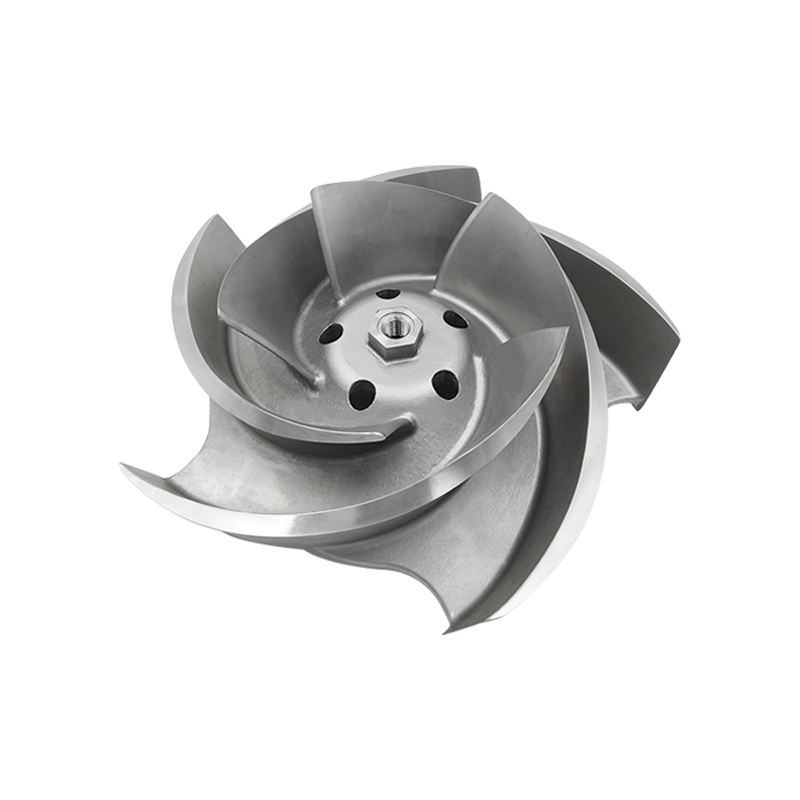
Mold Design and Tooling Fabrication The session stressed the optimization of draft angles and accurate shrinkage allowance calculations. A real-world client scenario was used: for a pump housing casting with intricate internal channels, the precise cavity dimensions of the mold are paramount to achieving the required hydraulic performance. The training involved analyzing 3D part data to determine these critical allowances.
Engineers and toolmakers reviewed how different alloy compositions exhibit unique volumetric shrinkage rates during solidification. By integrating these specific coefficients into the initial CAD/CAM boundary calculations, the factory can eliminate dimensional drift before the physical mold is even cut. Furthermore, optimization of the gating and riser layout within the mold design was heavily emphasized to ensure a balanced fluid front during the eventual metal pour.
Wax Pattern Injection and Assembly The core learning centered on mastering the relationship between injection temperature, hold time, and dwell pressure to achieve maximum dimensional stability, alongside controlling the weld joint strength during pattern assembly.
Statistical process control (SPC) data provided during the session shows that wax pattern dimensional consistency is directly linked to final casting accuracy. Inconsistency at this stage can increase the risk of shell cracking in subsequent steps by up to 30%. Operators practiced adjusting the hydraulic parameters of the injection machinery to eliminate common defects such as sink marks, flow lines, and air entrapment, ensuring each wax pattern serves as a flawless replica of the final component.
Ceramic Shell Building and Drying Operators received in-depth instruction on slurry viscosity control, stucco sand gradation, and the inter-layer drying regime. The primary objective is to ensure uniform structural strength across each ceramic layer, preventing shell distortion or cracking during de-waxing or pouring—a critical factor for producing large, pressure-containing valve body castings.
The training detailed how ambient humidity and temperature fluctuations in the drying room can drastically alter the evaporation rate of the binder system. By strictly standardizing the drainage times and monitoring the weight loss of the shells between successive dipping cycles, the production team can prevent catastrophic failures like delamination, where layers of the ceramic shell separate under thermal stress.
De-waxing and Shell Firing (Sintering) This module focused on the pressure-time curve for steam de-waxing and the temperature ramp-up rate during high-temperature sintering. Rapid de-waxing can cause rapid wax expansion before the outer surface melts, leading to internal pressure buildup and shell fracture.
Conversely, an improper firing cycle can compromise the final shell strength and permeability, leading to metal penetration or gas entrapment defects. The training provided clear guidelines on the thermal soaking profiles required to fully vitrify the ceramic binder, eliminate all residual carbon tracing, and optimize the shell's breathability prior to receiving molten metal.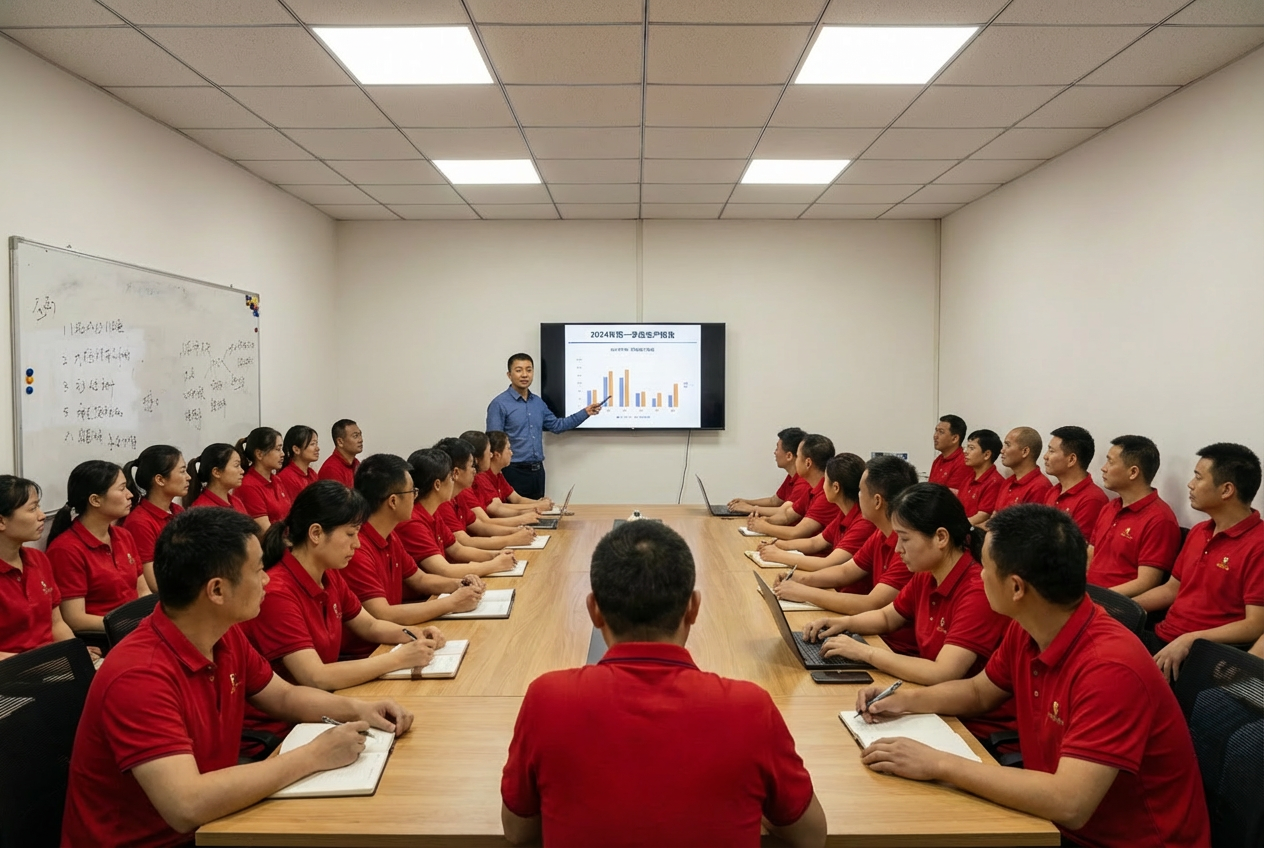
Technical Specifications and Expected Outcomes
The training directly connected theoretical process controls to measurable, standardized quality outputs. The factory aims to implement these best practices to consistently achieve:
Dimensional Accuracy: Castings conforming strictly to tolerance grades up to CT6 as per international investment casting standards, ensuring interchangeable accuracy for precision mating faces.
Surface Finish: As-cast surface roughness better than Ra 6.3 μm, significantly reducing or entirely eliminating the secondary grinding and polishing times required for many industrial applications.
Quality Assurance: Implementation of the learned controls supports rigorous inspection protocols, including dimensional checks with Coordinate Measuring Machines (CMM), liquid penetrant testing (PT) for surface integrity, and radiographic testing (RT) to verify the internal soundness of critical, pressure-retaining components.
Addressing Common Industry Queries (FAQs)
Question 1: How quickly can the benefits of such training be seen on the production floor?
Answer: The principles of process control are applied immediately. By standardizing the equipment parameters and stabilizing the chemical properties of the slurry, the factory expects to see a measurable reduction in process-related scrap rates within the very first production cycles post-training. Full yield improvements will be realized over subsequent production batches as these optimized operational practices become deeply ingrained habits among the frontline staff.
Question 2: Is this training relevant for prototyping new fluid component designs?
Answer: Absolutely. A deep understanding of how early design choices affect moldability, wax pattern integrity, and shell strength is crucial for the Rapid Prototyping phase. It enables engineers to practice Design for Manufacturability (DFM) from the outset. This foresight minimizes engineering change orders, reduces the number of physical tool iterations, and accelerates the time-to-market for complex new designs.
Question 3: Can these process controls handle high-integrity alloys for corrosive service?
Answer: Yes. The controlled shell building and precise firing processes are absolutely essential when working with corrosion-resistant alloys like duplex stainless steels, superalloys, or specialized nickel formulations. Proper sintering ensures the ceramic shell can withstand the extreme thermal shock and high metallostatic pressure associated with pouring these high-temperature metals, which is a mandatory safety requirement for chemical process valve and pump components.
Conclusion
This technical training initiative at Jin Bian Da Factory transcends a simple skills refresher; it represents a strategic investment in continuous improvement and a robust quality culture. By codifying critical operational knowledge into standard work procedures and reinforcing it through practical, data-driven application, the factory is strengthening its long-term capability to deliver high-integrity, high-performance cast components to the global marketplace.
 Hot News
2026-04-01
2026-03-31
2026-03-30

Dongguan Jinbianda Hardware provides custom stainless steel precision casting for aerospace, medical, automotive & energy sectors. ISO9001-certified, 25+ years expertise, 300+ global clients. Request a quote today.
102, Building 4, No. 10 Longyuan Street, Chang'an Town, Dongguan City, Guangdong Province
Copyright © 2026 by Dongguan Jinbianda Hardware Products Co., Ltd. Privacy Policy

 EN
EN