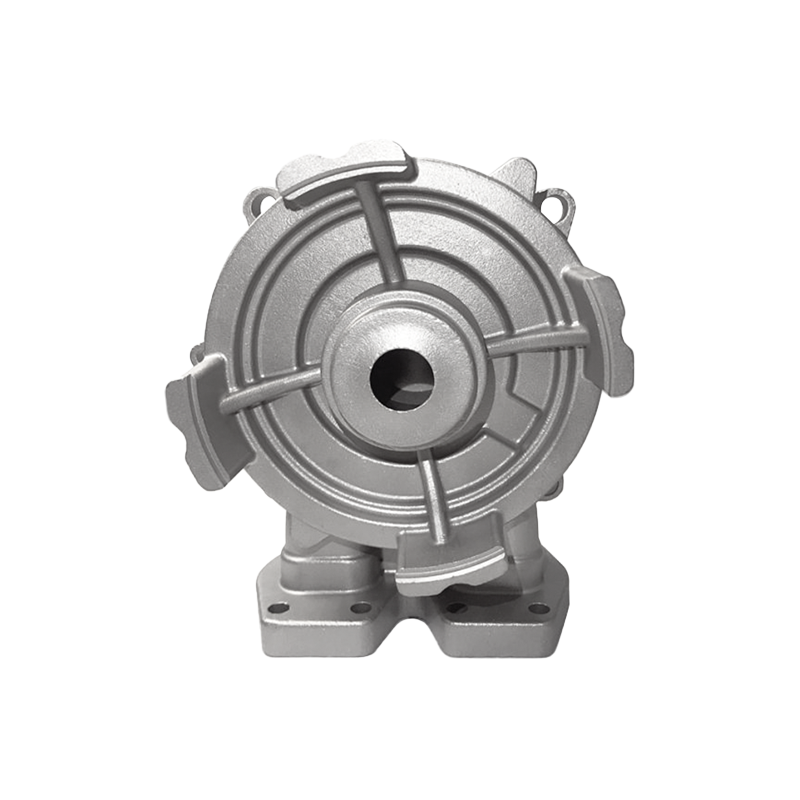
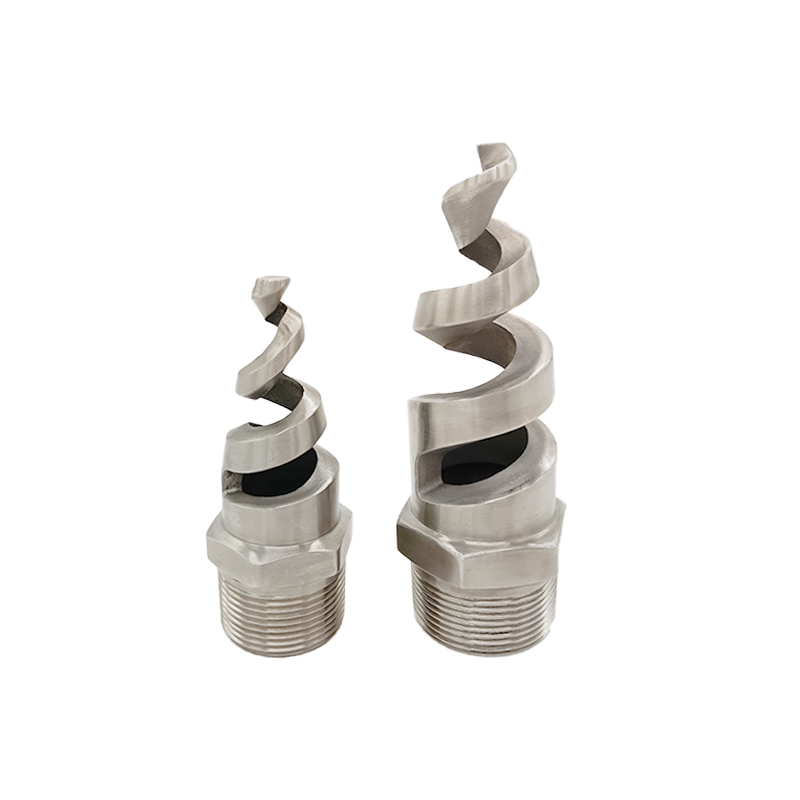
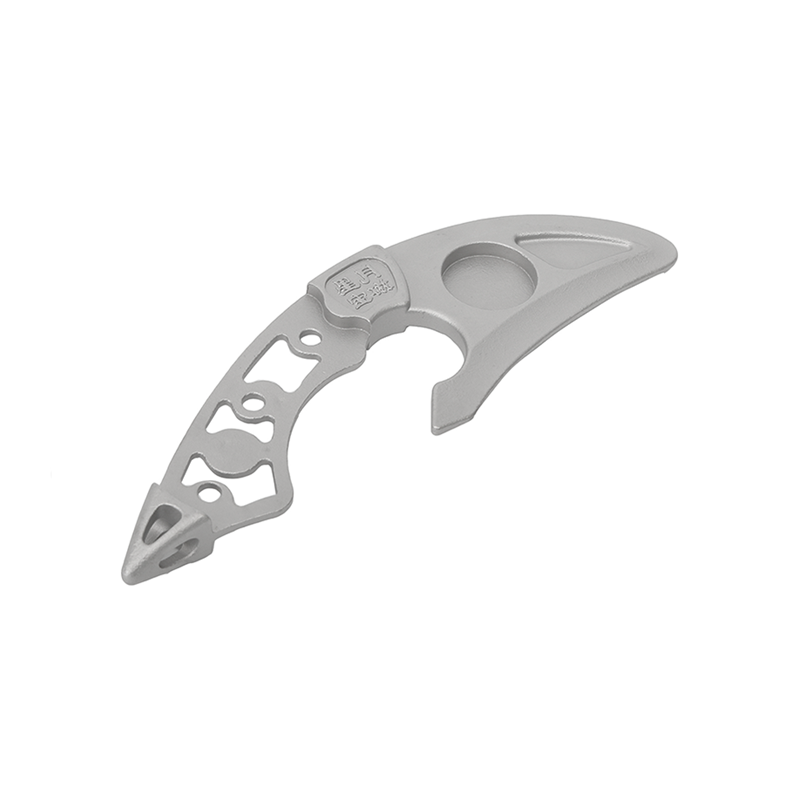
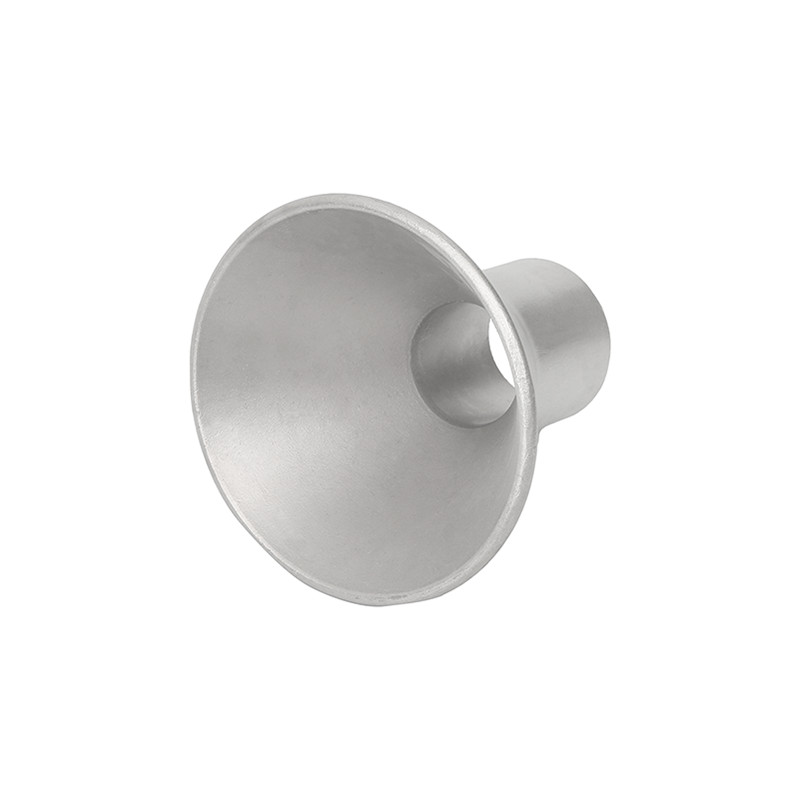
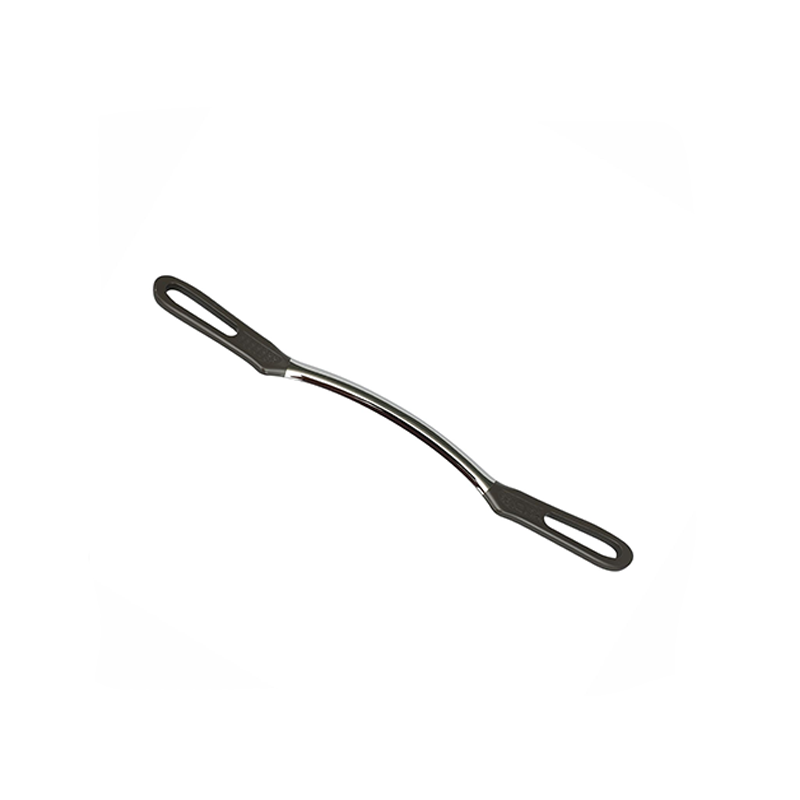
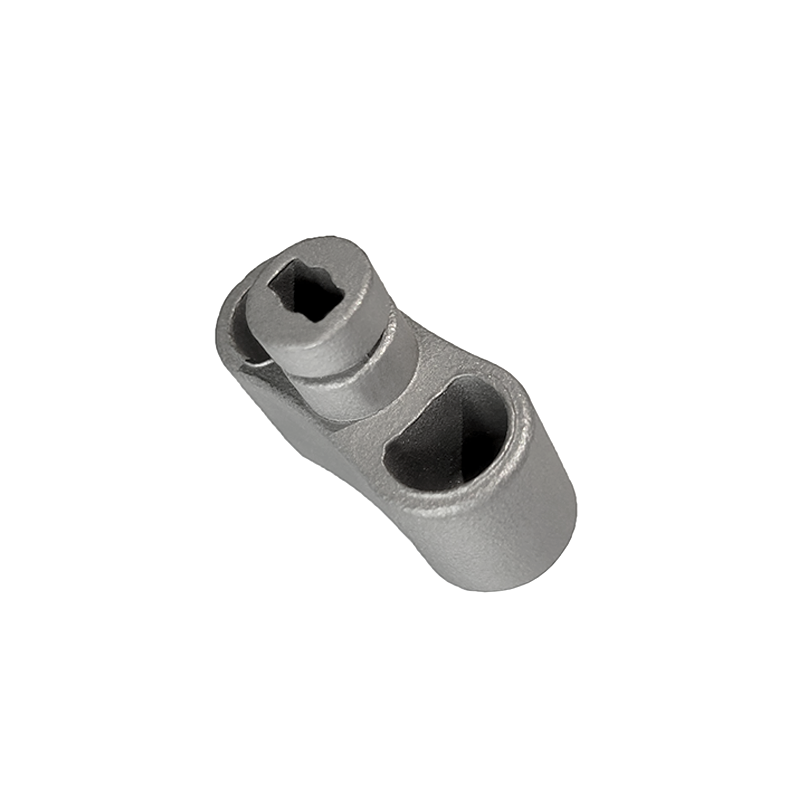
Summary: Precision casting, also known as investment casting, is revolutionizing the manufacturing of critical flow equipment components such as valve bodies, pump casings, and impellers. This process enables the production of parts with exceptional dimensional accuracy, complex internal geometries, and superior surface finishes directly from the mold. For industries relying on fluid handling systems, this means components that deliver optimized flow characteristics, enhanced corrosion resistance, and reliable performance under high-pressure and high-temperature conditions. By utilizing precision casting, manufacturers can create near-net-shape parts that minimize material waste and reduce the need for extensive secondary machining, leading to significant cost and time savings.
Key Features and Benefits for Flow Equipment Precision casting offers distinct advantages that directly address the stringent demands of the valve, pump, and impeller industry.
Design Freedom for Complex Internal Passages The core benefit lies in creating intricate internal flow channels and thin-walled sections that are impossible or prohibitively expensive with traditional machining or sand casting. For impeller castings, this allows for aerodynamically optimized blade profiles that maximize hydraulic efficiency and reduce cavitation. For multi-port valve bodies, it enables the integration of complex internal porting in a single, leak-proof casting, eliminating weld joints that are potential weak points.
This absolute freedom of design means that engineers are no longer constrained by the physical limitations of cutting tools or straight-line drilling. Complex internal configurations, such as smooth curved passages, varying cross-sections, and integrated dual-wall cooling jackets, can be replicated flawlessly from the wax pattern to the final metal component. In high-performance fluid systems, avoiding sharp angles and abrupt transitions within the flow path is paramount to minimizing pressure drops and eliminating stagnant zones where sediment or corrosive agents might collect. Investment casting natively supports these organic, mathematically optimized shapes, ensuring that the theoretical fluid dynamics designed in simulation software are perfectly realized in physical metal.
Material Versatility and Superior Metallurgy The process is compatible with a wide range of engineering alloys crucial for fluid applications, including stainless steels (e.g., CF8M, Duplex), superalloys (e.g., Inconel), and corrosion-resistant copper alloys. The controlled solidification in a ceramic mold results in a fine, uniform grain structure, enhancing the mechanical properties—such as fatigue strength and impact resistance—of the final pump casings and valve components, which is critical for cyclical pressure duties.
Unlike other manufacturing processes that are limited to highly ductile materials or specific chemical compositions, investment casting easily accommodates metals that are notoriously difficult to machine or forge, such as Stellite alloys or specialized nickel-chromium formulations. Because the metal is poured in a liquid state, the hardness or work-hardening characteristics of the target alloy do not complicate the shaping process. Furthermore, the specialized ceramic shell materials used in precision casting resist chemical reactions with volatile molten metals, maintaining the purity and composition of the alloy. The resulting metallurgical integrity minimizes internal micro-porosity and inclusions, which substantially elevates the component’s resistance to stress-corrosion cracking and localized pitting in severe service environments.
Enhanced Performance and Reduced Total Cost Components produced via investment casting often demonstrate improved performance metrics. Smoother as-cast surfaces reduce fluid friction and turbulence, directly contributing to higher pump efficiency. The near-net-shape capability significantly reduces material waste by up to 90% compared to machining from bar stock and can cut downstream machining costs by 60% or more, offering a compelling total cost of ownership for high-value parts.
When calculating the total financial impact, the true value of precision casting extends far beyond the initial tooling cost. Traditional manufacturing methods often require massive solid blocks of expensive alloys to be slowly carved away, leaving behind vast quantities of scrap metal that lose value during recycling. Investment casting injects only the necessary amount of metal into a precisely engineered cavity, utilizing specialized gating systems to maximize material yield. Additionally, because the cast parts emerge from the mold with high fidelity to the final design blueprint, secondary machining is limited only to critical mating surfaces, threadings, and O-ring grooves. This reduction in machining hours extends tool life, decreases labor requirements, and shortens factory throughput times, driving down operational expenses for equipment manufacturers.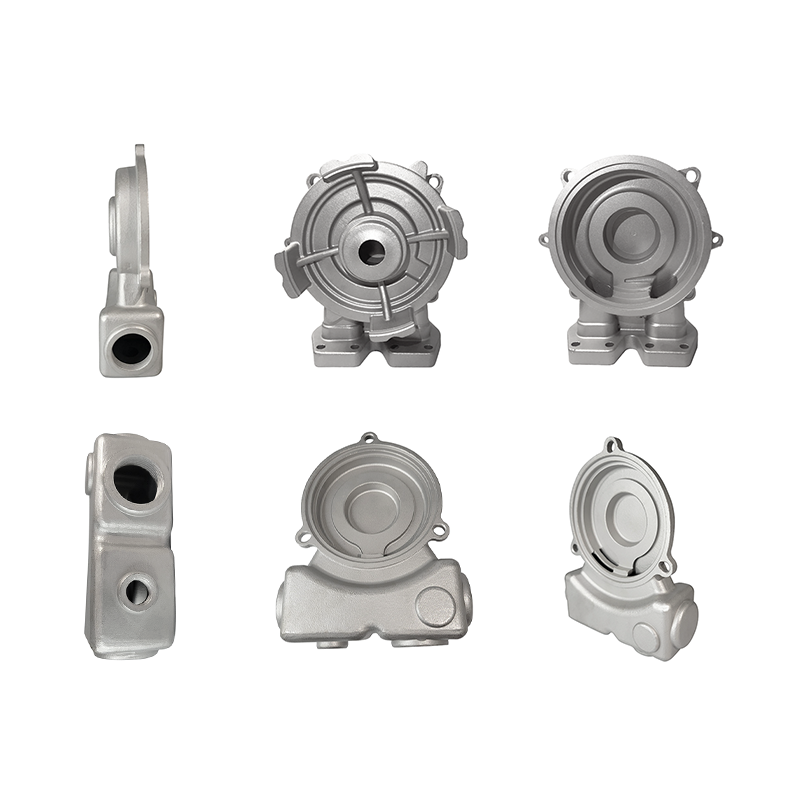
Technical Specifications and Manufacturing Precision The suitability of precision casting for critical fluid components is backed by its technical capabilities.
Dimensional Accuracy and Tolerances: Standard linear tolerances can be held within plus or minus 0.005 inches per inch (plus or minus 0.127 mm per 25.4 mm), with even tighter tolerances achievable on critical dimensions. This ensures proper fit and function for valve trim parts, control gates, and pump wear rings where precise clearances dictate system efficiency.
Surface Finish: Typical as-cast surface finishes range from 125 to 250 micro-inches Ra (3.2 to 6.3 micrometers Ra), often eliminating the need for abrasive blasting, grinding, or polishing operations before coating, lining, or final assembly. This ultra-smooth texture minimizes boundary-layer fluid drag, keeping energy losses to a minimum.
Integrity Standards: Castings for pressure-containing parts are routinely produced to meet stringent industry specifications such as ASME B16.34 for valves, API 610 for centrifugal pumps, and various ASTM international material standards. Every production lot is subject to 100% rigorous quality inspection frameworks including precise dimensional metrology, liquid penetrant testing (PT) to detect surface discontinuities, and radiographic testing (RT) or ultrasonic testing (UT) to verify internal volumetric soundness, guaranteeing absolute pressure containment and reliable operation under volatile field conditions.
Customer FAQs in the Flow Equipment Sector
Question 1: Can precision-cast components withstand high-pressure and corrosive service?
Answer: Absolutely. The combination of high-integrity metallurgy and the ability to use advanced corrosion-resistant alloys makes investment-cast valves and pumps ideal for demanding services in oil and gas extraction, harsh chemical processing, and marine desalination plants. These parts are proven to safely handle extreme operational pressures exceeding 2500 psi while managing highly aggressive, corrosive media without undergoing premature degradation or structural failure.
Question 2: How does precision casting compare to forging for impellers?
Answer: While forging offers exceptional raw structural strength along specific grain directions, precision casting provides unparalleled design complexity for optimized hydrodynamics. Forging cannot create hollow internal cavities or complex, overlapping 3D blade geometries without extensive and prohibitively expensive five-axis CNC machining. Therefore, investment casting remains the globally preferred and economically viable manufacturing method for closed or semi-open impellers featuring advanced, swept blade profiles designed to maximize pump performance.
Question 3: What is the typical lead time for prototyping a new impeller design?
Answer: Utilizing modern rapid tooling methods, such as directly 3D-printing the sacrificial wax or resin patterns or using printed quick-turn tooling inserts for the wax injection die, functional metal prototypes can be delivered in as little as 4-6 weeks. This rapid prototyping ecosystem allows design engineers to execute rapid physical iterations, perform water-bench testing, and validate hydraulic efficiency curves before committing capital to permanent, full-scale hard tooling for mass production.
For manufacturers and engineers in the fluid handling industry, precision investment casting is not just an isolated manufacturing process but a vital strategic enabler. It allows for the reliable production of high-performance, robust flow control components that can safely manage the world's most demanding fluid processing applications. By bridging the gap between advanced fluid dynamic theory and reliable physical execution, investment casting continues to elevate the benchmarks of performance, efficiency, and safety for modern flow equipment systems worldwide.
 Hot News
2026-04-01
2026-03-31
2026-03-30

Dongguan Jinbianda Hardware provides custom stainless steel precision casting for aerospace, medical, automotive & energy sectors. ISO9001-certified, 25+ years expertise, 300+ global clients. Request a quote today.
102, Building 4, No. 10 Longyuan Street, Chang'an Town, Dongguan City, Guangdong Province
Copyright © 2026 by Dongguan Jinbianda Hardware Products Co., Ltd. Privacy Policy

 EN
EN